
Sportsmanship means competing hard while respecting rules, opponents, officials, teammates, and the shared purpose of the game. For beginners, it is the difference between learning how to win well, lose well, and keep competition safe enough for everyone to return.
Fair Play Snapshot: Use this article to turn the topic into a practical decision, routine, or conversation starter. Focus on repeatable habits, clear standards, and safe participation rather than shortcuts or hype.
What Sportsmanship Actually Covers
Sportsmanship is not a soft add-on after the final whistle. It covers how players prepare, communicate, challenge calls, handle contact, celebrate success, and respond when a mistake changes the result. The International Fair Play Committee describes fair play through values such as fair competition, respect, friendship, team spirit, equality, and respect for written and unwritten rules. That broad framing helps beginners understand that etiquette is bigger than simply avoiding penalties.
A beginner can think of sportsmanship as a practical code: know the rules, accept the role of officials, compete within the allowed limits, and avoid behavior that turns a contest into a personal conflict. It applies in school sports, rec leagues, esports, pickup games, and family competitions. The exact rules change by sport, but respect, honesty, safety, and self-control travel well across almost every setting.
The Rules You Read and the Rules You Learn by Playing
Every sport has written rules, but beginners also need to learn customs that experienced players expect. In tennis, returning a stray ball safely matters. In basketball, calling your own foul in a casual game can keep trust alive. In esports, not spamming insults after a round protects the match environment. These habits are not always printed in a rulebook, yet they shape whether others want to keep playing with you.
Some etiquette also protects the pace of play. Arriving on time, knowing substitution procedures, keeping equipment ready, and listening during pregame instructions prevent delays. If you are building confidence as a newer athlete, pairing etiquette with skills work, such as a steady practice routine, can make the whole experience calmer and more productive.
Fair Competition in Real Situations
Fair play is easy to praise and harder to apply when emotions spike. Imagine a defender who knows they clipped an opponent before the official noticed it, or a gamer who realizes a lobby bug gives their team an unfair advantage. In both cases, the sportsmanship question is not only, “Can I get away with it?” It is, “Would this result still feel valid if everyone knew what happened?”
The Council of Europe frames fair play as more than playing within rules, connecting it with friendship, respect for others, and fellowship. That is useful because beginners sometimes assume sportsmanship means being passive. It does not. You can compete with intensity, challenge yourself, and try to beat strong opponents while still refusing cheap shots, taunts, cheating, and intimidation.
| Situation | Sportsmanlike Response | What to Avoid |
|---|---|---|
| Bad call or missed call | Pause, ask one calm question if appropriate, then return to play | Sarcasm, crowding officials, repeated complaints |
| Opponent makes a mistake | Reset and play the next point without ridicule | Mocking, gestures, targeted taunts |
| Teammate struggles | Offer one useful cue or encouragement | Public blame, eye rolls, exclusion |
| You win easily | Keep effort honest and celebrations measured | Running up humiliation or showboating |
| You lose a close game | Thank opponents and review controllable habits | Excuses, accusations, refusal to shake hands |

Common Beginner Misunderstandings
One misunderstanding is that good sportsmanship means never showing emotion. Healthy emotion is part of sport. The line is crossed when emotion becomes abuse, intimidation, or blame. Celebrating a hard-earned point is different from mocking the opponent who made the error. Asking an official a short question is different from arguing every decision.
Another mistake is thinking etiquette only matters for children. Adult leagues often depend even more on player behavior because games may have fewer officials and limited administrative support. A single player who ignores safety, arrives late, or escalates trash talk can damage the entire league experience. Sportsmanship is also tied to safety, which is why players and parents should understand unsafe coaching red flags before committing to a coach or program.
A Simple Code for Players, Parents, and Spectators
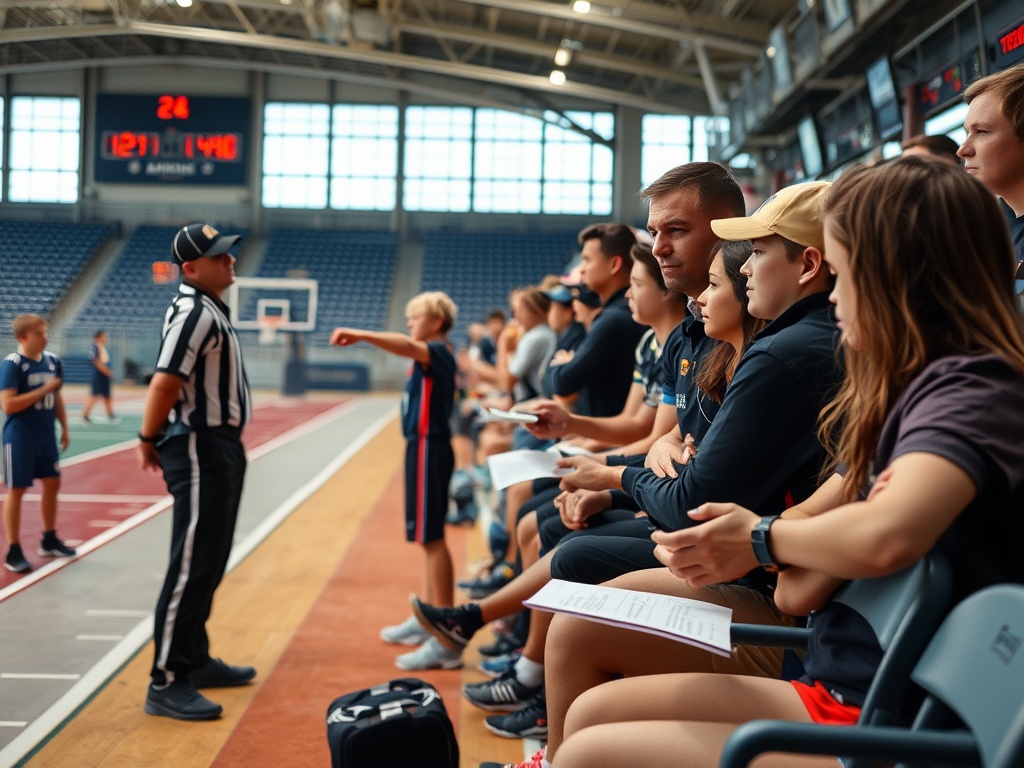
Players should control what they can control: effort, preparation, honesty, and response to mistakes. Parents should cheer effort without coaching every possession from the sideline. Spectators should remember that youth officials, volunteer organizers, and developing athletes are not professional entertainers. Coaches should set standards early, repeat them calmly, and apply them consistently across starters and substitutes.
A useful test is the “ride home” test. After a loss, can the conversation focus on learning rather than blame? After a win, can the group acknowledge good play by the other side? That kind of culture keeps competition meaningful rather than hostile.
Practice Etiquette Before It Becomes Emotional
The easiest time to teach etiquette is before the game creates conflict. Teams can rehearse how to ask officials questions, how to return equipment, how to respond after contact, and how to reset after a tense moment. Parents can agree before the season that the ride home will not become a courtroom for every call. Players can decide that effort and respect are standards, not mood-based choices.
A short pregame reminder often works better than a long lecture after trouble starts. Ask one question: “What does respect look like in this specific setting?” In a pickup game, it may mean fair teams and honest calls. In a school match, it may mean listening to captains and officials. In esports, it may mean clean chat and no griefing. Clear expectations make sportsmanship easier to notice and easier to correct.
For broader context, readers can compare these recommendations with International Fair Play Committee and Council of Europe fair play guidance, while applying the advice to the specific level, age group, and setting involved.
Keep Competition Worth Coming Back To
Use this guide as a pre-season reminder: decide your standards before emotions rise, then practice fair play the same way you practice skills.