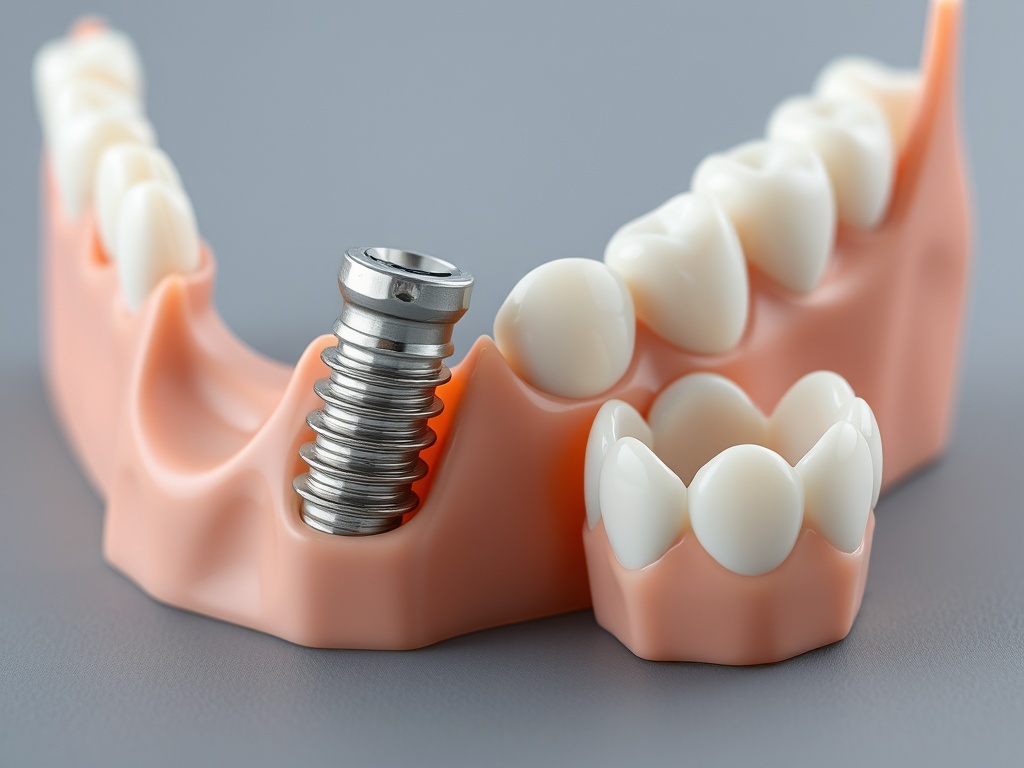

Baby bottle tooth decay — also called early childhood caries — is one of the most common and preventable chronic diseases in young children. It develops when teeth are repeatedly exposed to sugary liquids, particularly during sleep when saliva flow is lowest.
Key Takeaways
- Bottle decay primarily affects upper front teeth but can involve any primary tooth.
- Milk, formula, and juice all contain fermentable sugars that fuel decay — water is the only safe nighttime drink.
- Sippy cups with valves can extend the same liquid-pooling risk as bottles if used throughout the day.
- First dental visit should occur by age one or when the first tooth erupts, whichever comes first.
- White spots on front teeth are often the first visible sign of early enamel breakdown.
What Causes Bottle Decay
Primary teeth are thinner and more porous than adult teeth, making them more susceptible to acid attack. When a child falls asleep with a bottle containing milk, formula, juice, or a sweetened drink, liquid pools around the upper front teeth. Saliva production drops during sleep, leaving little buffering capacity. Bacteria in the mouth — primarily Streptococcus mutans — ferment the sugars and produce acid that can begin softening enamel within minutes.
The lower front teeth are typically protected because the tongue naturally covers them during feeding. The upper front teeth, however, are in direct contact with the pooled liquid.
Symptoms and Early Warning Signs
Bottle decay tends to develop in stages:
- White spots or dull areas: The earliest visible sign is a chalky or matte white band along the gum line of the upper front teeth. This indicates early enamel demineralization before a cavity forms.
- Yellow or brown discoloration: As decay progresses, affected areas may darken to yellow or brown.
- Visible cavities or pitting: In more advanced cases, the teeth may appear notched, pitted, or broken down.
- Pain, sensitivity, or refusal to eat: A child who suddenly resists certain foods or seems uncomfortable during meals may have toothache from untreated decay.
If you notice white spots along the gum line of your child's upper front teeth, schedule a dental appointment promptly rather than waiting for a routine visit.
The Sippy Cup Problem
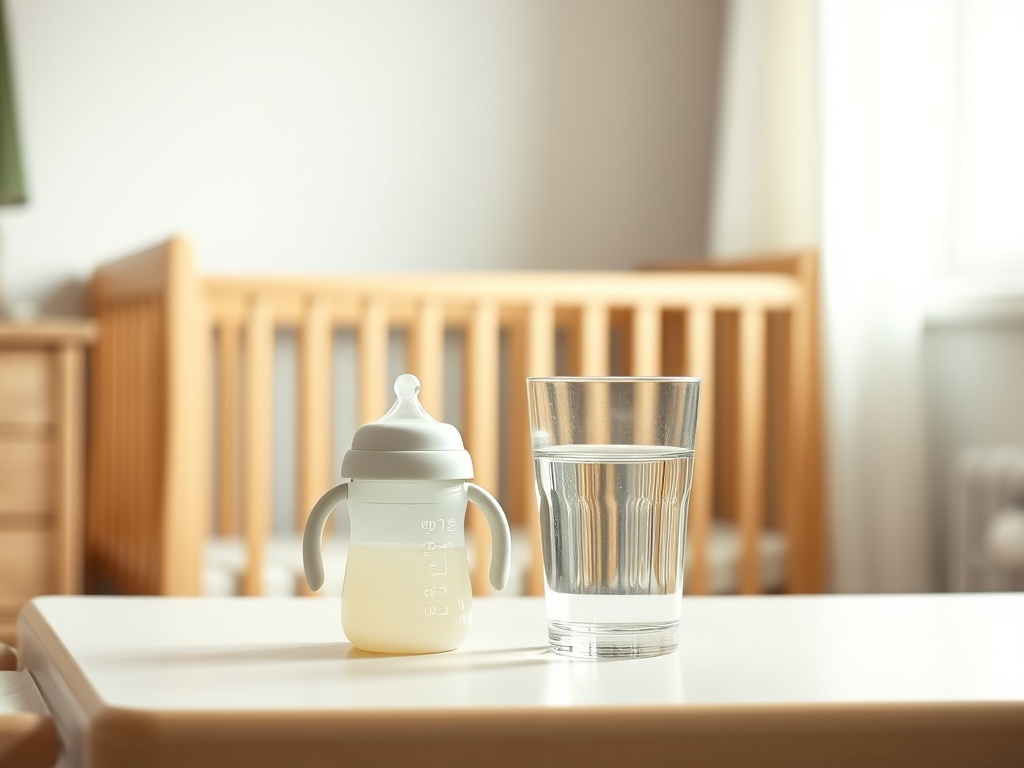
Sippy cups were designed as a transition tool from bottle to open cup — ideally used for a few months, not years. Many models have a valve that requires suction, extending the same hydraulic pooling risk as a bottle.
The issue isn't the cup itself but how and what is consumed. A child who carries a sippy cup of juice, milk, or flavored drink throughout the day is effectively creating continuous acid exposure — the same pattern described in
how sugar, snacking, and sipping affect your teeth all day.
Best practices for sippy cup use:
- Reserve the sippy cup for mealtimes; between meals, offer water in an open cup or straw cup
- Transition to an open cup by 12–18 months whenever possible
- Avoid filling sippy cups with juice, flavored milk, or sweetened drinks
- Never put a child to bed with a sippy cup other than one filled with plain water
Nighttime Milk: A Common Misunderstanding
Many parents are surprised to learn that milk — despite its nutritional value — can contribute to tooth decay when used as a sleep prop. Milk contains lactose, a fermentable sugar that oral bacteria process the same way they process other carbohydrates. After feeding, the residual milk on tooth surfaces becomes a fuel source for acid-producing bacteria overnight.
This does not mean avoiding milk during the day. Daytime milk consumption followed by brushing or rinsing carries very different risk than a bottle or breastfeed left unaddressed at bedtime. The key guidance from the
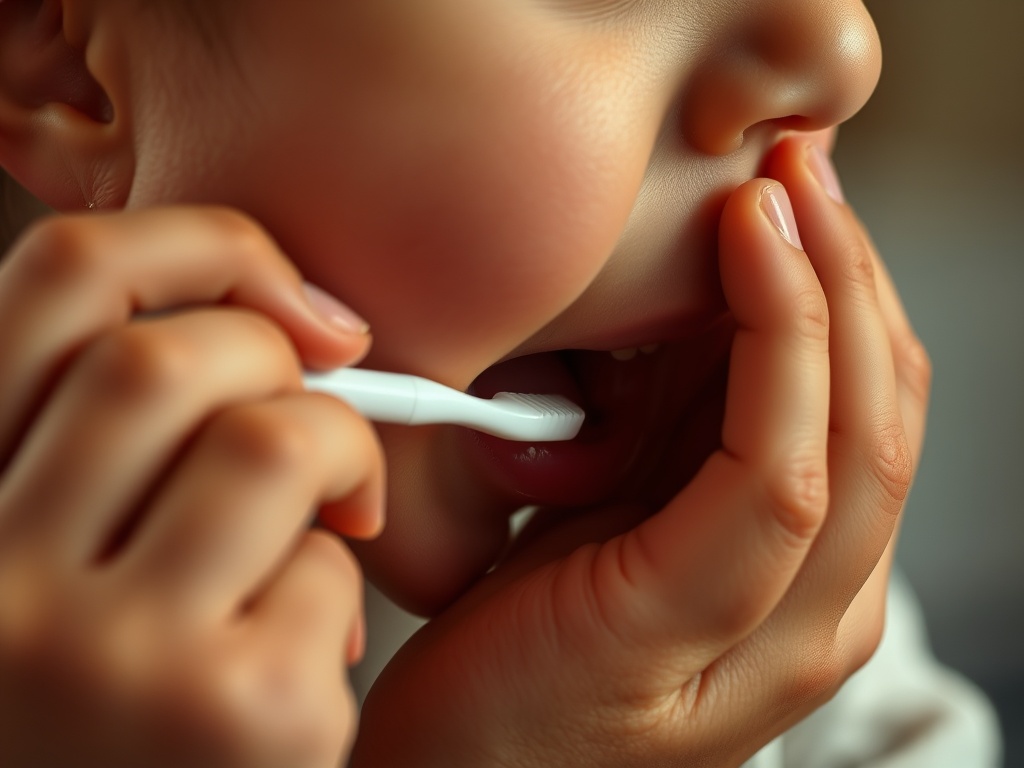
American Academy of Pediatric Dentistry is consistent: after any nighttime feed, wipe or brush the child's teeth before they return to sleep — and by 12 months, work toward transitioning off nighttime bottles.
When Specialist or Urgent Care Is Needed
Bottle decay is preventable but progresses quickly in primary teeth. Escalate to a pediatric dentist promptly if:
- White or chalky spots are visible on the upper front teeth at any age
- A tooth appears to be chipping, breaking, or darkening without trauma
- The child is in obvious pain or running a fever alongside visible dental symptoms
- The child is over 12 months and still depends on a nighttime bottle or breastfeed without post-feed tooth cleaning
Advanced cases may require treatment under sedation or general anesthesia — making early intervention significantly preferable.
Prevention Starts Early
The American Academy of Pediatric Dentistry recommends a first dental visit by age one or when the first tooth erupts. This visit establishes a dental home, allows the dentist to assess eruption patterns, and gives parents guidance on feeding habits, fluoride, and toothbrushing technique.
For parents navigating the pre-cosmetic dental conversation as their child grows, see do you need a dental exam before cosmetic treatment for context on how oral health history built in childhood can affect adult treatment options.
Building Better Habits Now
Preventing bottle decay doesn't require dramatic changes. Wiping gums before teeth erupt, introducing a toothbrush with a small smear of fluoride toothpaste when the first tooth appears, transitioning away from nighttime bottles by 12 months, and offering water between meals — these small steps compound over time into significantly lower caries risk throughout childhood and beyond.