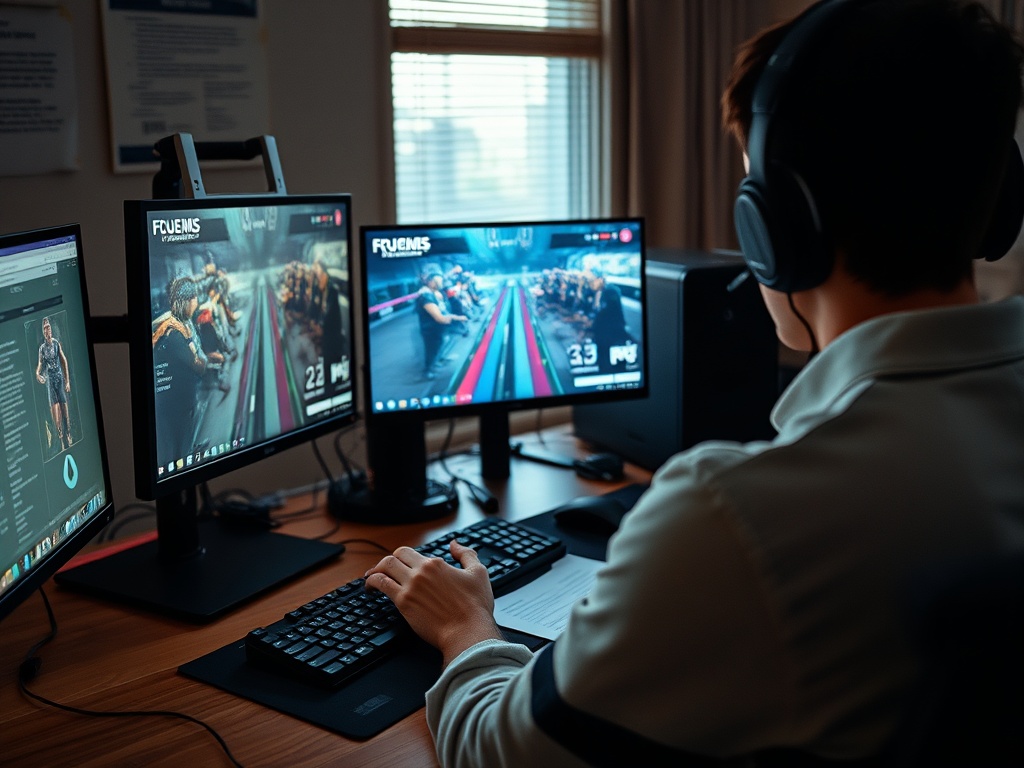

A good Valorant practice routine trains aim, movement, utility timing, and decision-making without turning every session into a random grind. The goal is to make your warm-up, mechanical reps, and match review support the way you actually play rounds.
Daily Practice Map: Use this article to turn the topic into a practical decision, routine, or conversation starter. Focus on repeatable habits, clear standards, and safe participation rather than shortcuts or hype.
Start With the Job of Practice
Valorant is a tactical shooter, not just an aim test. Riot’s official beginner guide describes the game around agents, weapons, maps, and coordinated play, which is why a routine should include more than flick drills. Aim matters, but crosshair placement, movement discipline, ability usage, trading, and communication decide many rounds before the final duel begins.
Before you choose drills, decide what problem you are solving. A player who loses opening fights because the crosshair is too low needs different work than a player who panics during post-plant utility. Practice becomes useful when each block has a purpose and a measurable sign of improvement.
A 60-Minute Routine That Covers the Core Skills
Use a simple structure: 10 minutes to warm up the hand and eyes, 15 minutes of range or deathmatch mechanics, 15 minutes of movement and clearing habits, 10 minutes of utility review, and 10 minutes of notes from recent matches. This is not a law. It is a starting template for players who want consistency without spending all night in practice.
In the mechanical block, prioritize calm accuracy over spraying at full speed. In the movement block, practice stopping before shooting, clearing common angles, and slicing corners. In the utility block, choose one map and one agent rather than trying to memorize every lineup at once. If your setup feels inconsistent, review your grip, sensitivity, and sensor performance alongside mouse setup choices.
Aim, Movement, and Utility Should Connect
Many players separate aim practice from match behavior, then wonder why training does not transfer. A better approach is to link drills to round situations. Practice holding head level while swinging an angle. Practice counter-strafing before the first bullet. Practice using utility to create a safer duel rather than throwing abilities because they are available.
Utility should have a reason: gather information, block vision, delay a push, clear a space, or support a teammate. Beginners often use abilities too early or save them until they are irrelevant. Intermediate players improve by asking, “What does this ability change about the next fight?”
| Practice Block | Main Goal | Useful Signal |
|---|---|---|
| Warm-up | Prepare attention and hand control | First shots feel calmer, not rushed |
| Mechanics | Improve crosshair placement and stopping before shots | Fewer wide sprays after movement |
| Movement | Clear angles with less exposure | You die less while drifting or over-peeking |
| Utility | Use abilities with a round purpose | Abilities create space, delay pressure, or support trades |
| Review | Turn matches into one clear improvement target | Your next session has a specific focus |

How to Review Without Tilting Yourself
Review should be short and specific. After a match, write down one death that was avoidable, one utility decision that helped, and one round where communication changed the outcome. Do not review only the final score. A win can hide poor habits, and a loss can include strong decisions.
Use cautious language when judging your own play. Instead of “my aim is terrible,” write “I missed two stationary first shots after moving.” That note gives you a drill. Blame gives you frustration. A routine also needs rest; long, tired sessions can build sloppy mouse control and poor decision-making, so recovery habits between sessions matter even for gaming-focused competitors.
Measuring Progress Without Chasing Every Stat
Track a few practical signals: fewer deaths while reloading in open space, better first-bullet discipline, cleaner callouts, more useful utility before contact, and fewer repeated mistakes on the same map. Rank can move slowly because teammates, opponents, and map pools vary. Your habits are easier to measure.
One week of focused practice on a single weakness is usually more useful than changing your sensitivity, agent, crosshair, and role every day. Keep the routine stable long enough to know if it works.
Keep the Routine Small Enough to Sustain
The routine works only if you can repeat it when school, work, travel, or fatigue gets in the way. A smaller 30-minute version can preserve the habit: five minutes of warm-up, ten minutes of mechanics, ten minutes of map or utility focus, and five minutes of notes. Consistency beats a heroic session followed by a week of avoidance.
Avoid changing the plan after every bad match. Competitive games create noisy feedback because teammates, opponents, maps, and mental state vary. Review patterns across several sessions. If the same mistake appears three times, build the next practice around it. If a mistake happens once under unusual conditions, note it without rebuilding your entire setup.
For broader context, readers can compare these recommendations with official VALORANT Beginner’s Guide, while applying the advice to the specific level, age group, and setting involved.
Build a Routine You Can Repeat
Choose one map, one agent role, and one weakness for your next three sessions, then keep notes simple enough that you will actually use them.