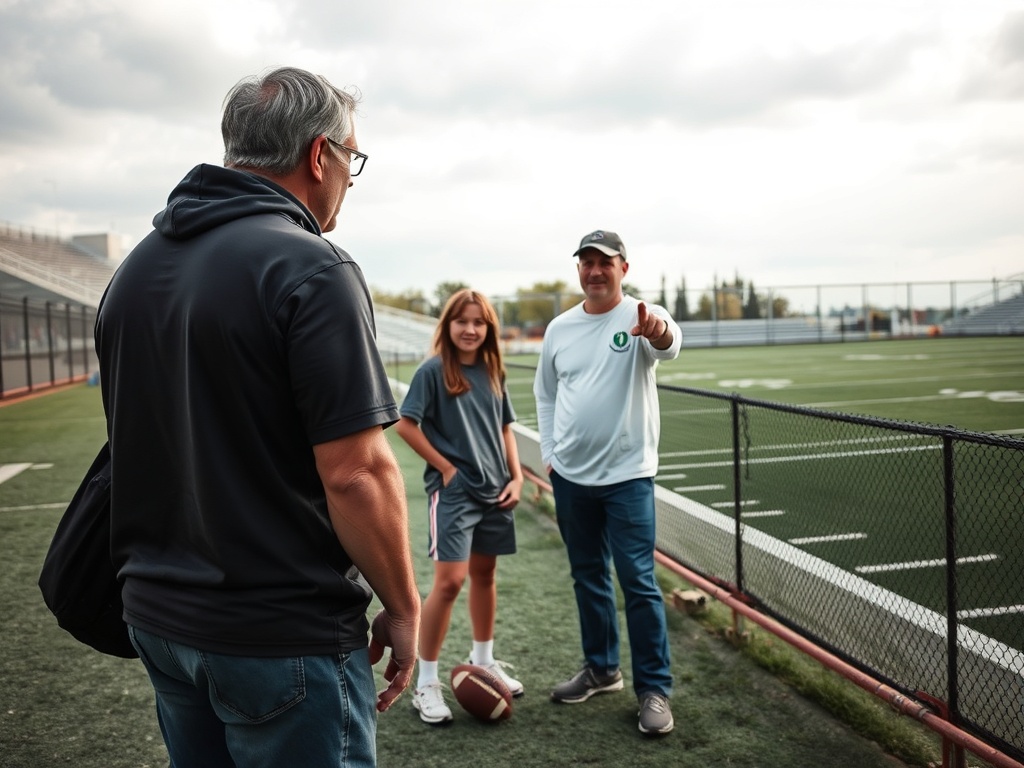

Unsafe coaching or training practices often show up as normalized pain, fear, secrecy, humiliation, or pressure to ignore reasonable limits. Athletes and families should judge a program by its daily behaviors, not just its win record or motivational language.
Safety Warning Checklist: Use this article to turn the topic into a practical decision, routine, or conversation starter. Focus on repeatable habits, clear standards, and safe participation rather than shortcuts or hype.
Unsafe Does Not Always Look Extreme at First
Many risky environments begin with small signals: athletes are mocked for asking questions, injuries are minimized, rest is treated as weakness, or coaches demand secrecy around training loads. Over time, those signals can create a culture where athletes stop reporting pain or discomfort.
The U.S. Center for SafeSport provides resources focused on preventing emotional, physical, and sexual abuse and misconduct in sport. That larger mission matters because athlete safety includes more than preventing obvious accidents. It includes emotional safety, boundaries, reporting pathways, and respect for medical judgment.
Physical Red Flags During Training
Be cautious when a program regularly pushes athletes through sharp pain, dizziness, heat illness symptoms, unsafe contact, or technique breakdown. Hard training can be appropriate, but hard does not mean careless. A coach should be able to explain the purpose of a drill, adjust for readiness, and stop when risk becomes unreasonable.
Training plans should include progression. Sudden spikes in volume, intensity, or load can increase injury risk, especially when athletes are returning from breaks or competing across multiple teams. Recovery basics such as recovery habits for athletes are not optional extras when workloads rise.
Emotional and Behavioral Warning Signs
Humiliation, threats, favoritism used as control, body shaming, isolation, and retaliation for speaking up are not good coaching methods. Some adults excuse these behaviors as toughness, but fear rarely produces healthy long-term development. Athletes may comply in the short term while losing trust, confidence, or joy.
Parents should listen for changes in behavior: dread before practice, secrecy, repeated unexplained injuries, sudden loss of confidence, or fear of telling a coach about pain. None of these signs proves misconduct by itself, but each deserves calm follow-up.
| Warning Sign | Why It Matters | Safer Standard |
|---|---|---|
| Pain is mocked or ignored | Athletes may hide injuries | Pain is assessed and modified |
| Training loads spike suddenly | Fatigue and injury risk can rise | Progression is planned and tracked |
| Private secrecy is encouraged | Boundaries can blur | Policies are transparent |
| Questions are punished | Athletes stop reporting issues | Concerns are heard without retaliation |
| Humiliation is routine | Fear replaces learning | Feedback targets behavior, not identity |

Boundary Problems and Secrecy
Healthy programs have clear communication boundaries. One-on-one meetings, private messaging, travel arrangements, physical contact, and locker-room access should follow transparent policies. If a coach discourages parents from asking questions, asks athletes to hide information, or creates special private rules for certain athletes, treat that as serious.
Athletes should know who they can contact besides their direct coach. A reporting path should not depend only on the person being questioned. Programs that welcome questions are usually safer than programs that treat every concern as disloyalty.
How to Raise a Concern Without Escalating Too Fast
Start by documenting facts: dates, behaviors, exact language when possible, injury details, and who witnessed the issue. Ask direct questions in writing when appropriate. If the issue involves immediate danger, abuse, threats, or sexual misconduct, use the relevant safeguarding, law enforcement, or organizational reporting channels rather than informal problem-solving.
Communication standards also matter inside teams. A culture described in team communication under pressure can help athletes speak before concerns become crises. Silence protects bad systems. Clear reporting protects people.
Use a Two-Level Response Plan
Not every concern requires the same response. A confusing drill might need a calm question. Repeated pain dismissal might need a meeting and written documentation. Suspected abuse, threats, sexual misconduct, or immediate danger requires formal reporting and urgent protection. Families should know the difference before a crisis arrives.
Athletes also need permission to speak early. A simple family rule helps: “You can tell us if something feels wrong, even if you are not sure what to call it.” That sentence can lower the fear of disappointing a coach, losing a spot, or being seen as difficult.
The safest programs make standards boringly clear. They do not rely on one charismatic adult to “just know” what is right. They use written policies, transparent communication, qualified supervision, and a culture where athletes can ask questions without being punished. If those basics are missing, ask why before trusting the environment with more time, money, or emotional investment. A strong safety culture treats athlete voice as useful information, not a threat to authority or team success. Written notes, clear contacts, and calm follow-up make it easier to act before a concern becomes normalized by the group. That preparation helps athletes and families respond with confidence instead of freezing when pressure or authority makes the situation feel confusing.
For broader context, readers can compare these recommendations with U.S. Center for SafeSport, while applying the advice to the specific level, age group, and setting involved.
Protect the Athlete Before the Result
When something feels unsafe, write down the facts, ask who oversees the program, and use formal reporting channels for serious concerns.