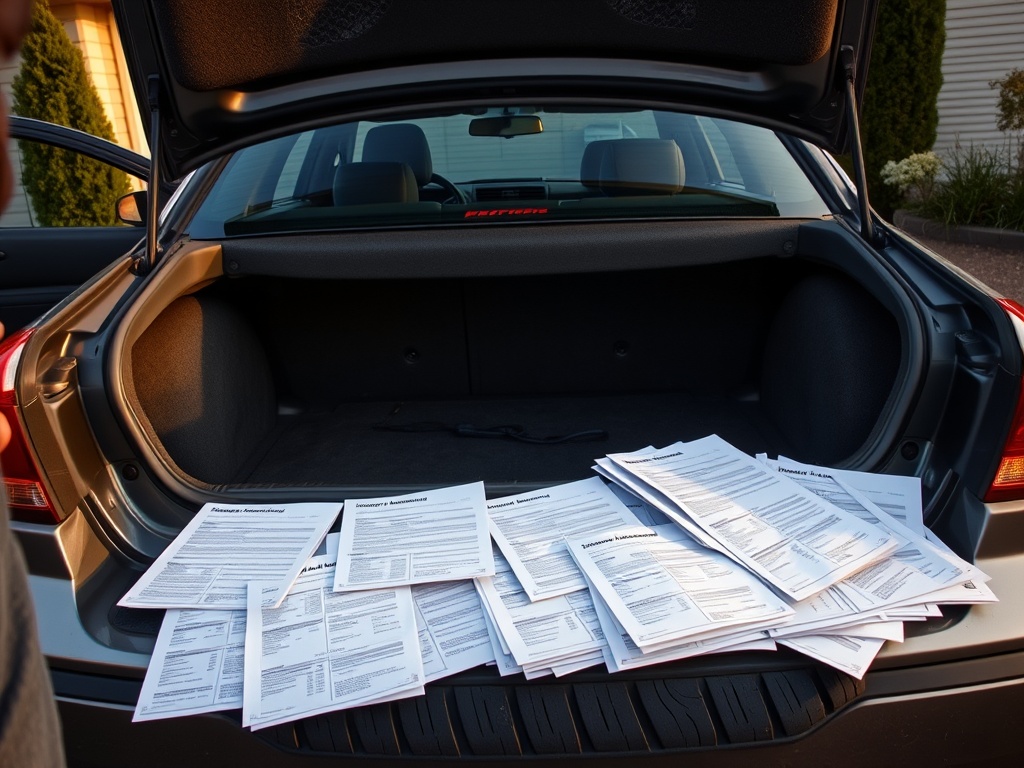

DIY maintenance records help resale value when they prove what was done, when it was done, what parts or fluids were used, and whether the work followed the vehicle’s recommended schedule.
Quick takeaways
- Receipts without mileage are weaker than receipts tied to dates, odometer readings, and service notes.
- A clean folder can build buyer confidence, but it cannot replace a professional inspection.
- Avoid vague claims. Document facts that a buyer, shop, or appraiser can verify.
What Buyers and Shops Want to See
A useful maintenance record answers four questions: what was done, when it was done, at what mileage, and with which parts or fluids. 'Changed oil' is not as strong as 'oil and filter changed at 68,240 miles using the viscosity listed in the owner’s manual.' The second version gives a buyer or shop a way to compare the work against expected service intervals.
DIY records can support trust, but they should not oversell the vehicle. They are evidence of care, not a warranty. A buyer may still want a pre-purchase inspection, and a shop may still need to verify condition. For broader maintenance planning,
Build a Record System That Takes Ten Minutes
Use one folder, digital or physical, and keep the format consistent. Each entry should include date, mileage, task, parts or fluid specifications, receipt photo, and notes. If you use a spreadsheet, add columns for next due date or mileage. If you prefer paper, write the same information on the receipt before filing it.
Do not rely only on memory or app reminders. Apps can be useful, but buyers often appreciate original receipts, especially for fluids, tires, brakes, batteries, belts, and major components. Photos are helpful when they show odometer readings, fluid labels with text blurred for privacy, and before-and-after condition without exaggeration.
| Record item | Why it helps resale discussions | Common mistake |
|---|---|---|
| Date and mileage | Shows service timing and usage pattern | Recording only the month |
| Part or fluid spec | Lets a shop check compatibility | Writing only the brand name |
| Receipt or invoice | Adds proof of purchase | Saving unreadable screenshots |
| Work notes | Explains odd conditions or follow-up | Writing opinions instead of facts |
| Next due marker | Shows ongoing care | Ignoring severe-use schedules |
Separate Routine Care From Repairs
Routine care includes oil changes, filters, tire rotations, brake fluid, coolant, spark plugs, wipers, and inspections. Repairs address failures or worn components, such as an alternator, strut, brake caliper, sensor, or radiator. Keep both, but label them clearly. A long list of repairs is not automatically bad if it shows problems were handled properly and not ignored.
This separation also helps a future technician. If a warning light appears, your record can show whether a related part was recently serviced. A brake warning that appears after brake work, for example, needs different context than a warning on a vehicle with old fluid and unknown pad age. That connection is explored in why a brake warning light can mean more than one thing, where warning-lamp clues are separated from true brake-system faults.
How to Avoid Records That Hurt Trust
A messy maintenance folder can raise questions. Missing dates, mismatched mileage, vague fluid descriptions, and unsupported claims make records harder to trust. Never edit receipts to make the history look cleaner. If you lost a receipt, write a note saying the receipt is missing and include any proof you still have, such as a parts order confirmation.
Be careful with modifications. A buyer may value them or avoid them. Record modifications separately from maintenance, including installation dates and original parts if kept. For safety-related systems, especially brakes, steering, suspension, airbags, and high-voltage components, DIY claims may invite more scrutiny.

When Professional Documentation Is Smarter
DIY records are strongest for simple, well-documented maintenance. Professional invoices are smarter for work that requires specialized tools, programming, fluid exchange equipment, alignment equipment, emissions testing, or safety-system procedures. That does not mean owners cannot learn. It means resale confidence often depends on independent verification.
For consumer repair basics, the FTC auto repair basics resource is useful when comparing estimates, asking for written repair details, and deciding what should be approved.
Make the Folder Easy to Review
Before listing the vehicle, create a one-page summary with major services, dates, and mileage. Place the newest receipts at the front, keep personal payment details hidden, and avoid dramatic claims such as 'perfect condition.' A better phrase is 'maintenance records available, including oil changes, tires, brakes, and battery.' That keeps the claim factual and lets the documents do the talking.
Make Your Service History Buyer-Ready
A resale-ready maintenance folder should be easy for a stranger to review in five minutes. Place a summary sheet at the front, then organize receipts by mileage or date. Highlight major work such as tires, brakes, battery, fluids, belts, plugs, suspension, and professional inspections. Keep personal information private by covering payment details before sharing copies.
For DIY work, include the parts receipt and a short note describing the procedure at a high level. Avoid rewriting service-manual steps or claiming expertise you cannot document. The goal is proof of care, not a performance. If the work involved a safety system, emissions system, or electronics, a professional inspection afterward can strengthen confidence.
Before sale, compare the folder against the owner’s manual schedule. If a major service is coming due, be honest. Buyers often respond better to a clear upcoming item than to a vague claim that everything is current. Accurate records can support price confidence, but they work best when they are calm, factual, and easy to verify.
Digital Backup Without Losing the Paper Trail
Paper receipts fade, apps change, and phones get replaced, so keep at least two forms of proof. A simple cloud folder with photos of receipts, odometer shots, and a spreadsheet summary gives you a backup if the glovebox folder disappears. Use consistent file names with date, mileage, and service type. A buyer does not need your whole life story; they need clean proof that the vehicle received steady care.
For privacy, remove addresses, card numbers, and personal notes before sharing copies. Keep the original records for yourself and share a clean version with serious buyers. If a professional inspection confirms your DIY work was done correctly, keep that report with the record set. It adds third-party confidence without pretending that every owner-performed task carries the same weight as a shop invoice.
Final Record Audit Before Sale
Review the folder as if you were the buyer. Every major claim should have a receipt, note, photo, or inspection record behind it. If a service was skipped, say so privately in your pricing plan rather than trying to hide it. Clean records work because they reduce uncertainty. They do not need decoration, only accuracy, order, and enough detail for someone else to verify the care story.