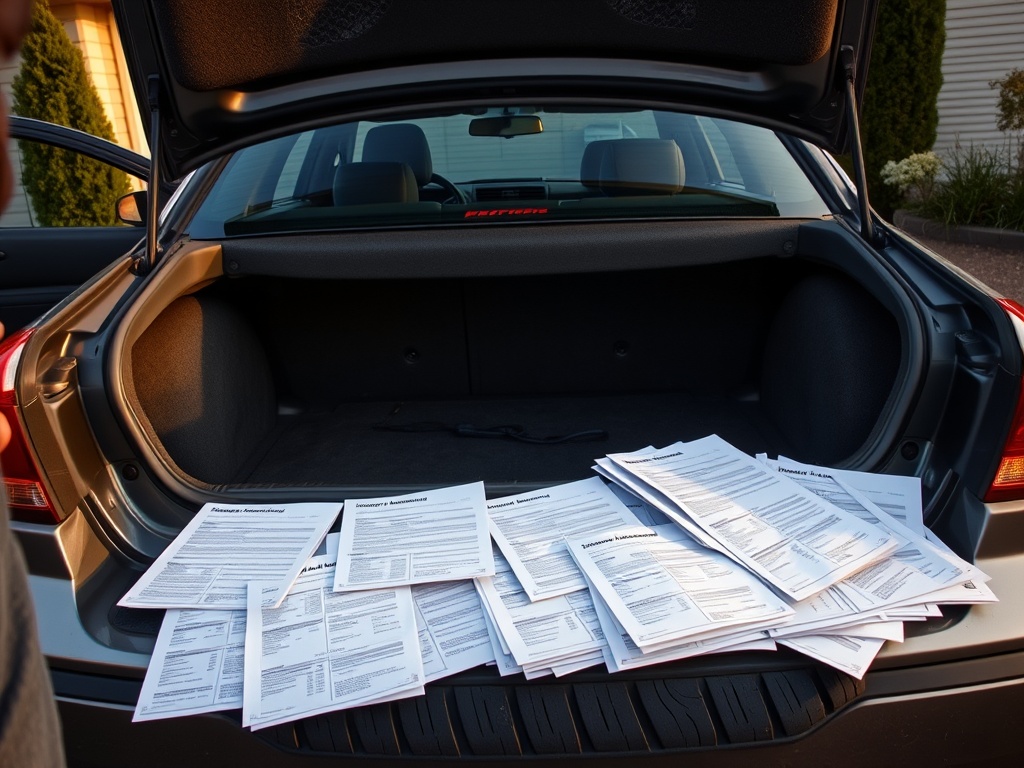

Mobile fleet service can reduce downtime for routine maintenance and minor repairs, while shop visits remain better for lifts, heavy diagnostics, alignments, major repairs, and work requiring controlled equipment.
Quick takeaways
- Mobile service works best for predictable, repeatable fleet tasks.
- Shop service is usually stronger for complex diagnosis, heavy components, and road-safety verification.
- The right choice depends on downtime cost, vehicle type, job complexity, and record quality.
Define the Two Service Paths
Mobile fleet service brings a technician, tools, and selected parts to the yard, jobsite, or depot. It is commonly used for inspections, filters, fluids, batteries, bulbs, minor electrical issues, brake checks, and scheduled maintenance on vehicles that do not need a lift or heavy equipment. Bringing vehicles to the shop gives the technician access to full diagnostic equipment, lifts, alignment racks, fabrication tools, fluid machines, and a controlled repair environment.
Neither option is automatically better. The decision is operational. A landscape company with five vans may value after-hours oil service at the yard. A delivery fleet with steering vibration, emissions faults, and repeated electrical problems may need shop time because the risk of incomplete mobile repair is higher.
Where Mobile Fleet Service Usually Wins
Mobile service shines when the work is known in advance and the vehicle can stay parked. Fleet inspections, maintenance checks, battery replacements, simple lighting repairs, and minor leaks can often be handled without moving the vehicle. That can save driver time, fuel, and scheduling friction.
The biggest benefit is not always the invoice price. It is reduced downtime. If a truck would otherwise spend half a day traveling to and from a shop for a quick service, mobile work may preserve route capacity. For companies building a maintenance plan, the same logic behind staggered service applies: do smaller, predictable jobs before they become expensive disruptions.
| Factor | Mobile fleet service | Shop visit |
|---|---|---|
| Downtime | Often lower for routine work at the yard | Can be higher, but work scope is broader |
| Equipment access | Limited to what the technician brings | Lifts, alignment, scan tools, machines |
| Best fit | Inspections, batteries, filters, light repairs | Major diagnostics and heavy repairs |
| Risk control | Good for planned tasks | Better for complex faults |
| Documentation | Must be disciplined in the field | Often easier through shop systems |
When the Shop Is the Safer Choice
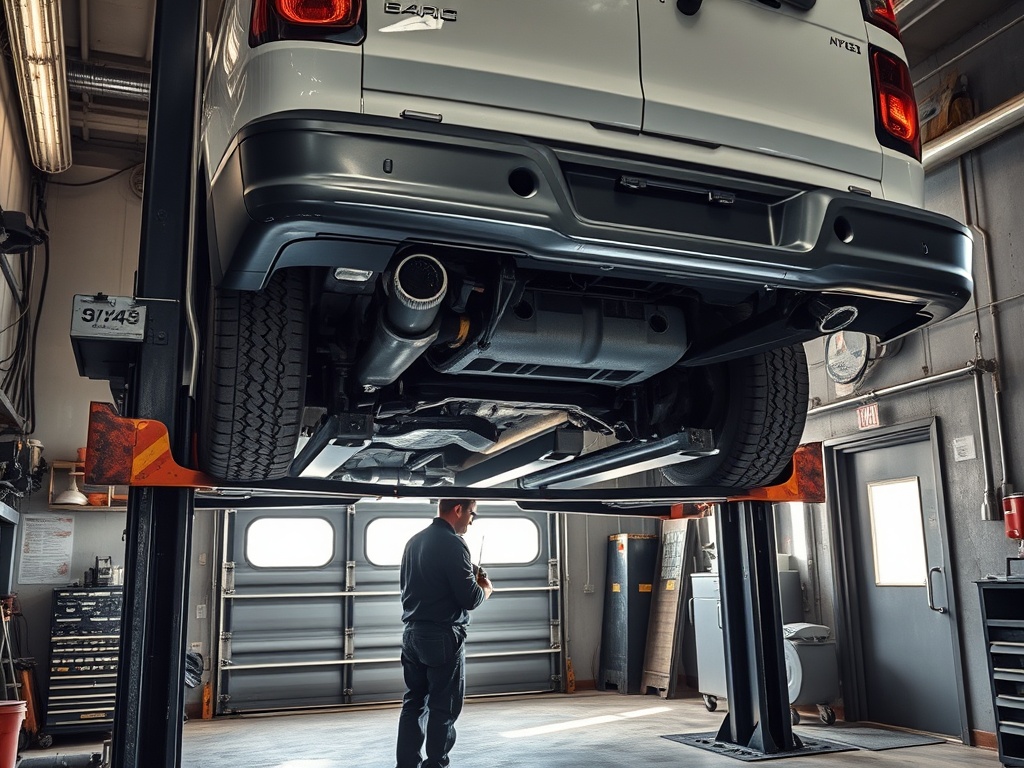
A shop visit is usually smarter for suspension work, alignments, drivability diagnosis, recurring warning lights, drivetrain repairs, major brake work, emissions issues, and jobs that require a lift. Complex testing often needs stable power, scan-tool access, road testing, pressure gauges, smoke testing, or component removal. For example, engine condition checks such as compression testing and leak-down testing require a controlled setting and careful interpretation.
Cost Drivers Beyond the Invoice
Fleet managers should compare total cost, not just labor rate. Mobile service may include trip fees, minimum charges, parts availability limits, and weather constraints. Shop service may include towing, driver downtime, and lost route time. A fair comparison includes the cost of the vehicle being unavailable, the chance of repeat visits, and whether the repair can be verified before the vehicle returns to service.
Record quality matters too. A mobile technician should provide clear notes, photos when helpful, mileage, vehicle ID, parts used, and unresolved recommendations. That documentation is not paperwork for its own sake. It helps prioritize future work and supports vehicle value later, much like DIY maintenance records.
A Decision Framework for Fleet Owners
Choose mobile service when the job is routine, the vehicle is safe to keep parked, parts are predictable, and the technician can complete and document the task on site. Choose the shop when the symptom is intermittent, the vehicle needs a lift, calibration, alignment, advanced diagnostics, or a controlled road test. If the issue affects braking, steering, emissions compliance, or driver safety, lean toward the setting that allows the strongest verification.
Before approving either path, ask what the provider can complete on site, what would trigger a shop referral, and how findings will be recorded. For broader consumer repair questions, the FTC auto repair basics resource can help owners ask clear questions before approving diagnostic or repair time.
Choose the Setting That Reduces Repeat Problems
The goal is not to keep vehicles out of the shop at all costs. The goal is to place each job in the setting where it can be completed correctly with the least operational disruption. A mixed strategy often works best: mobile service for planned maintenance and shop visits for deep diagnostics, safety repairs, and repairs that must be verified with specialized equipment.
How to Build a Mixed Fleet-Service Plan
A practical fleet plan usually divides work into three buckets: on-site routine service, shop-based diagnostic work, and urgent safety repairs. Oil service, filters, batteries, basic lighting, and scheduled inspections may fit the first bucket. Steering, suspension, drivability, emissions, and repeated electrical faults usually belong in the second. Brake, tire, and steering problems that affect road safety should be escalated quickly.
Set expectations before the first visit. Ask the provider what vehicles it can service on site, which parts it commonly stocks, how it documents findings, and what makes a job shop-only. If you operate during business hours, ask about early-morning, evening, or staged servicing so vehicles are not pulled from routes at the same time.
The best fleet decision is measurable. Track downtime, repeat repairs, missed routes, emergency calls, and preventive tasks completed on schedule. If mobile service lowers downtime but creates repeat visits, the plan needs adjustment. If shop visits are thorough but slow, a mobile inspection program may catch issues earlier. Use both paths where they are strongest.
Service-Level Expectations for Fleet Managers
Fleet managers should define response time, documentation standards, parts sourcing, after-hours rules, and safety escalation before the first service call. Without those expectations, mobile service can become convenient but inconsistent. A good provider should be able to say what gets completed on site, what requires a bay, and how urgent findings are ranked. That clarity keeps maintenance from depending on whoever happens to answer the phone that day.
For mixed fleets, categorize vehicles by mileage, duty cycle, route importance, and repair history. High-mileage route vehicles may need more frequent inspections, while low-use backup units may need battery and tire checks more than oil services. When the plan reflects real usage, mobile service and shop service stop competing and start working as one maintenance system.
Dispatch-Friendly Maintenance Notes
For fleets, the best service plan is the one drivers can follow without confusion. Keep a shared log that shows which vehicle is due, what was completed, what was deferred, and who approved the next step. Mobile service should feed that same log as shop repairs. When all work lands in one record system, managers can spot repeat issues instead of treating every repair as a fresh surprise.