
Clear symptom notes can shorten diagnostic time because they help the shop reproduce the problem, test the right system first, and avoid guessing from vague descriptions.
Quick takeaways
- Write down when the symptom happens, what the car is doing, and what changed recently.
- Photos, short videos, and maintenance records help, but only when they show useful context.
- A good symptom description does not tell the technician what part to replace. It tells them what the vehicle is doing.
Describe the Problem Like a Timeline
The fastest repair conversations usually start with a timeline. Tell the advisor when the issue began, whether it happened once or keeps returning, and what was happening just before it appeared. A sentence such as 'after 20 minutes of highway driving, the steering wheel shakes when braking from about 60 mph' is far more useful than 'front end feels bad.'
Use plain language. Shops do not need perfect mechanical vocabulary from customers. They need repeatable clues: speed, temperature, road type, weather, load, fuel level, warning lights, noises, smells, vibration, and recent repairs. The FTC's consumer guidance on auto repair basics helps drivers prepare questions, describe problems, and understand approval language before work begins.
A Simple Note Format That Works
Before calling the shop, create a short note with five lines: symptom, timing, conditions, recent changes, and safety impact. Keep it factual. If you heard a clunk, say where it seemed to come from and when it happened. If a light came on, note whether it was red or amber, steady or flashing. If the vehicle felt unsafe, say that directly.
This format keeps the conversation organized and reduces the chance that a key detail gets buried. It also protects you from approving work based on assumptions. If the shop recommends diagnostic time, you can ask what tests they plan to start with and what information they expect those tests to confirm.
| Detail to share | Useful example | Less useful version |
|---|---|---|
| When it happens | Only on cold starts after sitting overnight | Sometimes |
| Driving condition | At 40 to 50 mph on rough roads | When driving |
| Sound description | Light metallic rattle from right rear over bumps | Weird noise |
| Warning behavior | Amber ABS light stayed on after restart | Dashboard light |
| Recent work | Front brakes replaced two weeks ago | Nothing, I think |
Use Photos and Videos the Right Way
A photo of a warning light, a fluid spot, an uneven tire, or a broken connector can help the advisor understand what you saw. A short video can be useful for intermittent noises, but avoid filming while driving. Ask a passenger to capture it or record the sound while the vehicle is safely parked if possible.
Good media shows context. A close-up of a puddle is less helpful than a photo that shows the puddle in relation to the wheel or engine bay. Blurry dashboard text is still useful if the icon is visible, but do not rely on pictures alone. Pair the image with a note about timing and conditions. For future visits, keep these notes in the same folder as receipts, much like the system described in DIY maintenance records because organized service history gives future technicians a clean trail to follow.
When DIY Checking Helps and When It Gets in the Way
Basic owner checks can help: tire pressure, loose gas cap, visible leaks, recent fuel fill-up, battery corrosion, and whether a light clears after restarting. These checks are observations, not diagnoses. Avoid unplugging sensors, clearing codes, or replacing parts before the shop sees the vehicle unless you are fully confident in the repair process.
Clearing a fault code can erase freeze-frame data that helps the technician understand the conditions under which the problem happened. Replacing a part based on an internet match can also create a second problem. A professional diagnostic path may include scan data, road testing, pressure checks, electrical testing, or mechanical tests such as compression testing and leak-down testing require a controlled setting and careful interpretation.

Questions That Keep the Estimate Focused
Good questions are specific and respectful. Ask what the first diagnostic step will rule out, what would make the repair urgent, and what signs would change the recommendation. If you receive photos from the shop, ask what the image is intended to show. Is it wear, leakage, damage, contamination, or missing hardware?
When the estimate arrives, compare it to your original symptom. A repair recommendation should connect back to the complaint and test results. If the shop cannot reproduce the issue, ask whether they need the vehicle overnight, a longer road test, or more detail about the conditions.
Faster Diagnosis Starts Before the Appointment
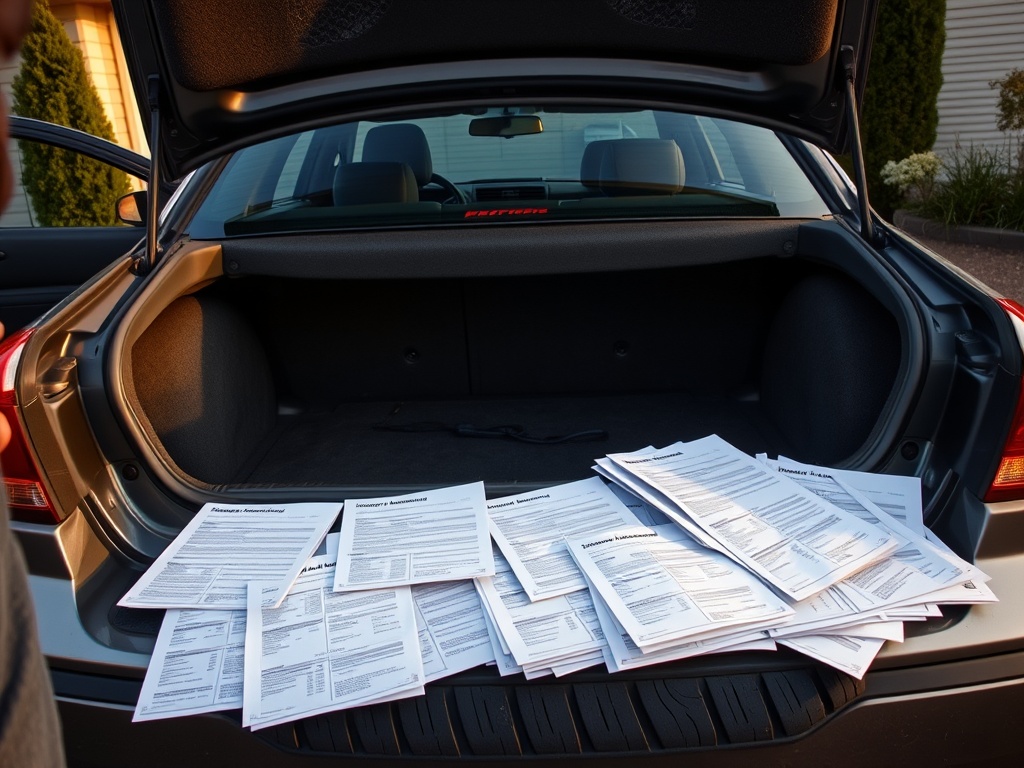
The best next step is to gather a short written symptom timeline before calling. Bring recent invoices, photos, videos, and any old diagnostic reports that relate to the same system. You are not trying to solve the repair yourself. You are giving the technician cleaner clues so the right tests happen sooner and the estimate makes more sense.
Turn Your Notes Into a Better Repair Order
The repair order should reflect the symptom in your words and the advisor’s service language. Before leaving the vehicle, read the complaint line if possible. It should not say only “check noise” when you described a rattle over bumps after the car sits overnight. A better complaint line gives the technician a starting condition, a location, and a trigger.
If the symptom is intermittent, ask how the shop wants you to help reproduce it. Sometimes the answer is leaving the vehicle overnight, driving with a technician, sharing a safe video, or noting the exact road and speed range. Do not feel pressured to diagnose the part. A clear symptom story is more valuable than guessing a repair based on a forum thread.
When the vehicle is returned, compare the fix to the original complaint. Ask what was confirmed, what was repaired, and what should be watched. Keep the notes and the invoice together. If a related issue returns months later, that history can shorten the next diagnostic path and help the shop avoid retesting every possibility from the beginning.
Advisor Hand-Off Details That Save Time
A strong hand-off includes your symptom notes, but it also includes permission boundaries. Tell the advisor how much diagnostic time you approve initially, how you want updates delivered, and whether you need photos before repair approval. This avoids missed calls and surprise decisions. It also gives the shop a professional workflow instead of a guessing game built around incomplete messages.
If the symptom affects safety, say that at the beginning. Words like “soft brake pedal,” “steering pull,” “burning smell,” “smoke,” “loss of power,” or “stalling in traffic” should not be buried in a long story. Lead with the risk, then provide the timeline. That helps the advisor prioritize the vehicle correctly and helps the technician decide whether a road test is safe.