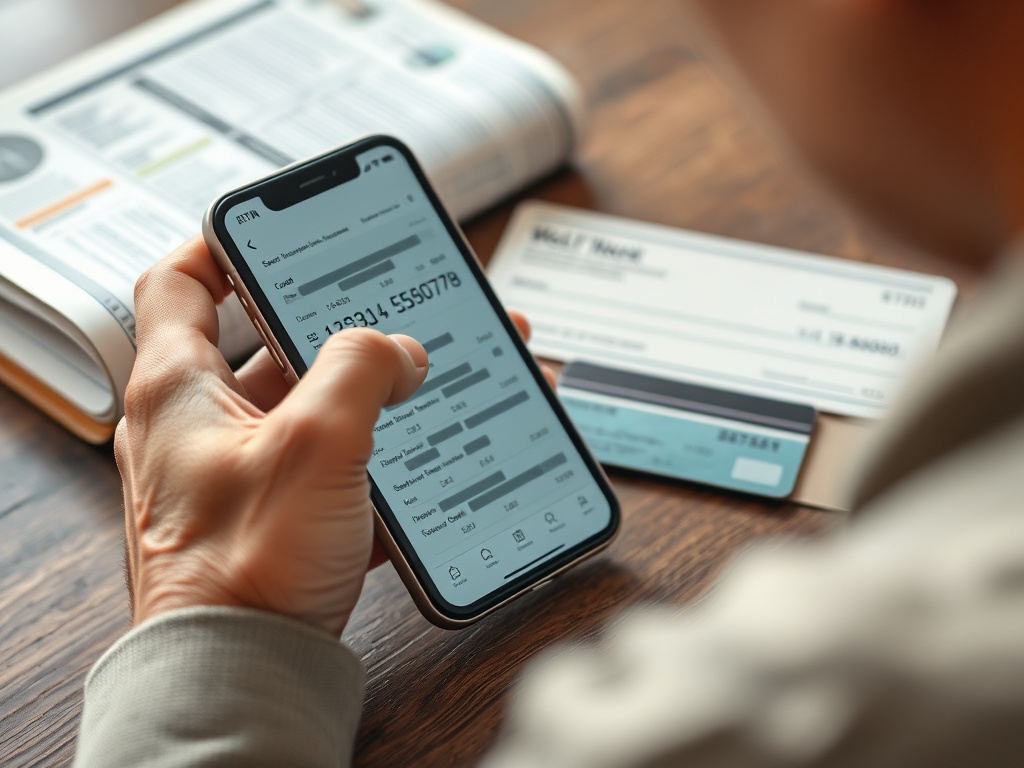

Ledger balance is the posted balance after transactions that have officially cleared. Available balance is the amount the bank shows as usable after holds, pending deposits, debit authorizations, and other adjustments are considered.
TL;DR: Use available balance for day-to-day spending decisions, but review ledger balance to understand what has actually posted. The gap between them can cause confusion, overdrafts, declined payments, and budgeting errors.
The simple difference
A ledger balance reflects transactions that have posted to the account. An available balance tries to show what can be used right now. Pending debit card purchases, ATM withdrawals, check deposits, merchant holds, bank holds, and scheduled payments can make the available balance lower or higher than the ledger balance.
The FDIC has discussed how institutions may use available or ledger balance methods in overdraft-related contexts. That does not mean every bank applies the same rules. Your deposit agreement controls the details.
Why the two numbers rarely match perfectly
Card networks, merchants, employers, banks, and payment processors do not all update at the same moment. A gas station may authorize more than the final amount. A hotel may place a temporary hold. A check deposit may show as pending before all funds are available. An automatic bill may be scheduled but not posted.

Balance comparison at a glance
| Balance type | What it usually reflects | Best use |
|---|---|---|
| Ledger balance | Posted debits and credits | Reconciling statements and tracking what cleared |
| Available balance | Posted items plus holds and pending availability rules | Deciding whether to spend or transfer |
| Current online activity | Recent authorizations and scheduled items | Spotting transactions that still need to post |
How overdraft surprises happen
A customer may see enough money at authorization, then a later transaction posts first, a deposit hold remains in place, or a merchant finalizes a higher amount. The result can be a negative balance or a fee depending on bank policy, opt-in choices, and applicable rules.
This is why sinking-fund planning can help. Money reserved for bills should not be treated as free cash just because the ledger balance looks healthy. A separate plan for irregular expenses with sinking funds keeps annual and seasonal bills from colliding with everyday spending.
What to check before making a payment
- Look at available balance, not just ledger balance.
- Review pending debit transactions and scheduled bill payments.
- Check deposit holds before spending recently deposited funds.
- Keep a small cushion for merchant holds and timing gaps.
- Read the bank’s funds availability and overdraft terms.
Business owners need an extra layer
For small businesses, the difference can affect payroll, vendor payments, tax transfers, and loan auto-drafts. Embedded financing offers may also draft repayment from sales or bank activity, so businesses using contextual credit should read repayment terms closely. That connects with why embedded lending appears inside platforms.
When to contact the bank
Contact the bank if a hold seems incorrect, a posted transaction is unauthorized, a deposit availability date is unclear, or an overdraft fee appears inconsistent with the account terms. Keep screenshots, receipts, confirmation numbers, and dates because timing is central to these issues.
A cleaner daily habit
Check balances before spending, but reconcile weekly against posted transactions. That rhythm gives you the speed of online banking and the discipline of statement review.
How pending transactions distort confidence
The available balance can look precise, but it is still an estimate shaped by timing rules. A debit authorization may sit pending for days. A check deposit may be visible but not fully available. A restaurant bill may first appear without the final tip. A subscription may be scheduled but not yet posted. These timing differences are why a small cushion matters.
For people living close to zero, the safest habit is to assume pending debits will post and pending deposits may not be spendable until the bank confirms availability. That conservative approach is less exciting than watching the highest balance number, but it reduces overdraft risk.
Statement review still matters
Online banking is useful for speed, while statements are useful for verification. At least once a month, compare posted transactions against receipts, bill confirmations, paycheck deposits, transfers, and automatic payments. The review can reveal merchant errors, duplicate subscriptions, delayed refunds, or unauthorized charges before they become larger problems.
Deposit timing needs special care
Deposits can be confusing because a bank may show that money arrived before all of it is available for withdrawal. Payroll deposits, mobile checks, cash deposits, and transfers can follow different availability rules. Review the bank’s funds availability policy and avoid scheduling major payments against a deposit until the available balance confirms the funds can be used.
Refunds create similar confusion. A merchant may say a refund was issued, but the credit may not post immediately. Until it posts, do not build spending plans around it.
A practical cushion policy
A cushion is not extra spending money. It is a small amount intentionally left untouched to absorb timing differences, small holds, bank delays, and forgotten subscriptions. The right cushion depends on income, bills, and account activity, but the habit matters more than the exact amount. Treat the cushion as unavailable, even when the bank display includes it in the balance.
This small rule is especially useful for accounts with frequent card holds or automatic subscriptions.
It turns balance checking into a practical safeguard rather than a guessing exercise.
Professional context and reader caution
This article is for informational and educational purposes only. It does not provide legal, tax, investment, lending, insurance, or regulatory advice. Product terms, eligibility standards, rates, and consumer protections can vary by provider and jurisdiction, so confirm details directly with a qualified professional or the relevant authority.
Better balance habits prevent small shocks
The next step is to review your bank’s account terms and keep a spending cushion that is not counted as available money. A few minutes of balance review can prevent fees and failed payments.