
Jaw surgery — formally called orthognathic surgery — becomes part of an orthodontic plan when skeletal discrepancies are too significant to be corrected by tooth movement alone. The decision involves multiple clinical assessments, a surgical specialist, and careful timing.
Key Takeaways
- Orthodontic treatment moves teeth; jaw surgery repositions the underlying bone — both may be needed for severe skeletal malocclusions.
- The decision is based on cephalometric analysis, facial growth status, and the functional and aesthetic goals of the patient.
- Most surgical cases require 12–18 months of pre-surgical orthodontic alignment before the operation.
- Adults are better surgical candidates than actively growing adolescents because skeletal changes can alter surgical outcomes.
- Patients should seek combined consultations with both an orthodontist and an oral and maxillofacial surgeon before committing to a plan.
Braces vs Surgery: Where the Line Falls
Orthodontic appliances — braces, clear aligners, expanders — move teeth within the bone. They can correct crowding, spacing, and many mild-to-moderate bite issues. But when the upper and lower jaws themselves are positioned too far forward, backward, or asymmetrically, tooth movement alone can compensate only so much before creating other problems: unstable bite relationships, excessive gum display, compromised airway, or cosmetic outcomes that patients find unsatisfactory.
Orthognathic surgery repositions the jaws at the bone level. It can move the upper jaw (LeFort osteotomy), the lower jaw (bilateral sagittal split osteotomy), or both — a procedure referred to as bimaxillary surgery. The bones are repositioned and secured with titanium plates and screws.
The Clinical Assessment Process
Orthodontists use several tools to determine whether surgery is indicated, according to the American Association of Orthodontists:
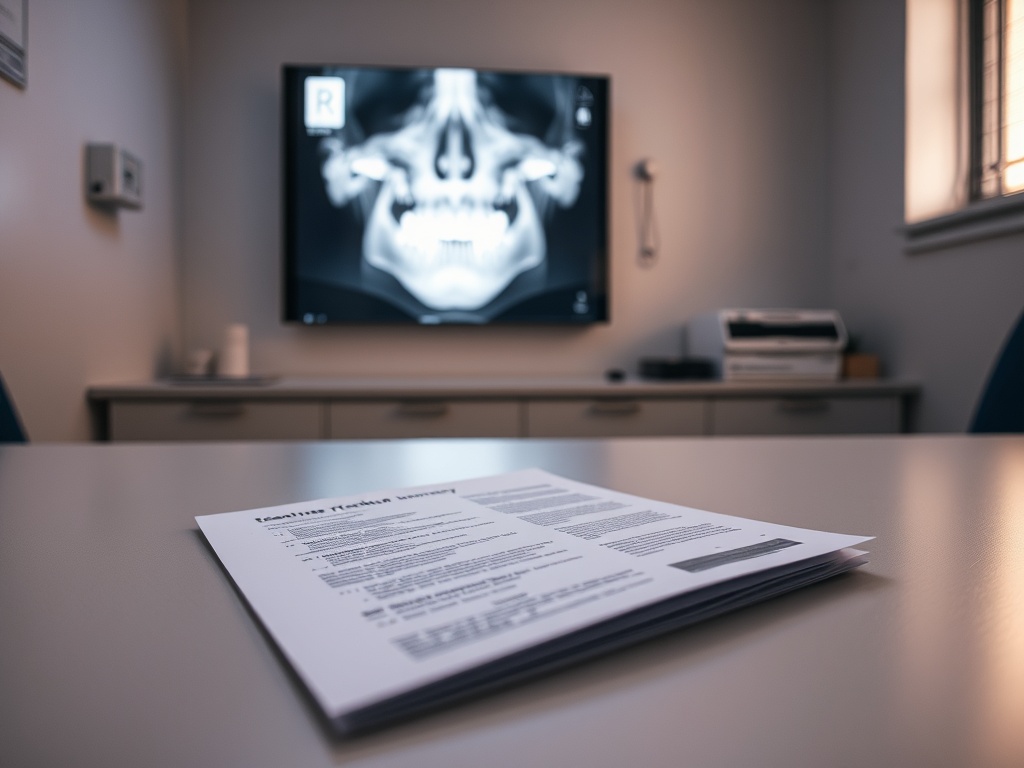
- Cephalometric analysis: Lateral skull X-rays that allow measurement of jaw angles, tooth inclinations, and skeletal relationships relative to established norms.
- Dental models and digital imaging: Study models or intraoral scans allow the team to visualize occlusion in three dimensions and simulate post-treatment outcomes.
- Facial photographs and symmetry analysis: The face is assessed from multiple angles to understand whether jaw repositioning is needed for functional or aesthetic reasons, or both.
- Airway screening: Patients with sleep-disordered breathing may be referred for additional evaluation, as jaw position can directly affect airway dimensions.
Growth Timing and Age Considerations
Surgical candidates should have completed skeletal growth before the operation. For females this typically occurs around 16–18 years of age; for males, growth may continue until 18–21. Operating before growth is complete risks the jaws shifting post-operatively as the skeleton continues to change.
This creates a sequencing challenge for adolescent patients who have significant skeletal discrepancies. The orthodontist may begin tooth alignment work during adolescence to improve bite stability and aesthetics, with surgical correction planned for after skeletal maturity.

Pre-Surgical Orthodontic Alignment
Counter-intuitively, the orthodontic phase before surgery often makes the bite look worse before it looks better. The purpose of pre-surgical orthodontics is to align the teeth within each jaw independently — so that when the surgeon repositions the jaws, the upper and lower teeth will occlude correctly.
This phase typically takes 12–18 months. It requires compliance with appliance wear, regular orthodontic adjustments, and coordinated planning with the surgical team. Patients who are not prepared for this phase often find the timeline more demanding than expected.
Comparing Surgical and Non-Surgical Approaches
| Factor | Non-Surgical Orthodontics | Orthognathic Surgery + Orthodontics |
|---|---|---|
| Candidacy | Mild to moderate skeletal and dental discrepancies | Severe skeletal discrepancies, significant jaw asymmetry |
| Treatment time | 12–30 months | 24–36+ months including pre/post-surgical phases |
| Recovery | No surgical recovery required | 4–6 weeks initial recovery; several months full healing |
| Insurance coverage | Orthodontic benefits; varies by plan | May include medical insurance for functional indications |
| Outcome stability | Variable for severe cases | Generally stable for properly diagnosed and timed cases |
Failure Scenarios and Long-Term Maintenance
Surgical outcomes can be affected by residual growth, non-compliance with post-surgical orthodontic care, relapse of soft tissue habits (such as tongue posture or lip incompetence), and inadequate long-term retention. Patients should understand that retainers are required indefinitely after any orthodontic-surgical case — not for a fixed period.
For patients also navigating billing complexity in combined surgical-orthodontic cases, the guidance in surprise dental fees and billing red flags patients should watch for applies — combined cases often involve both dental and medical billing, and predeterminations from both insurers may be required.
Evaluating Your Options
If surgery has been mentioned as a possibility during orthodontic consultations, request a combined appointment with both the orthodontist and an oral and maxillofacial surgeon before agreeing to a plan. A second opinion is appropriate and expected in cases of this complexity. Understanding preparatory oral health requirements — covered in what to know before starting cosmetic or corrective dental treatment — is also worth reviewing before any multi-stage treatment begins.