
Yes — in nearly all cases, a thorough dental exam is required before any cosmetic procedure begins. Cosmetic work placed on unhealthy teeth or gums tends to fail early, look uneven, and cost significantly more to fix.
Key Takeaways
- Most cosmetic dentists require a baseline exam before whitening, veneers, bonding, or implants.
- Active decay, gum disease, or bite problems must be addressed first.
- Bring your insurance summary, a list of current medications, and any previous X-rays.
- Red flags include skipping X-rays, quoting cosmetic fees without discussing oral health, and no treatment sequencing plan.
Why the Exam Comes First
Cosmetic dentistry improves appearance — but it builds on a biological foundation. Veneers bonded to a tooth with undetected decay will likely fail within a few years. Whitening on teeth with untreated enamel erosion can cause significant sensitivity. Implants placed in a jaw with active bone loss may not integrate properly.
A pre-cosmetic exam allows the dentist to identify and treat these underlying conditions before investing in aesthetics. According to the American Dental Association, routine exams include a review of oral cancer risk, periodontal status, existing restorations, and bite alignment — all of which affect cosmetic outcomes.
What the Exam Should Cover
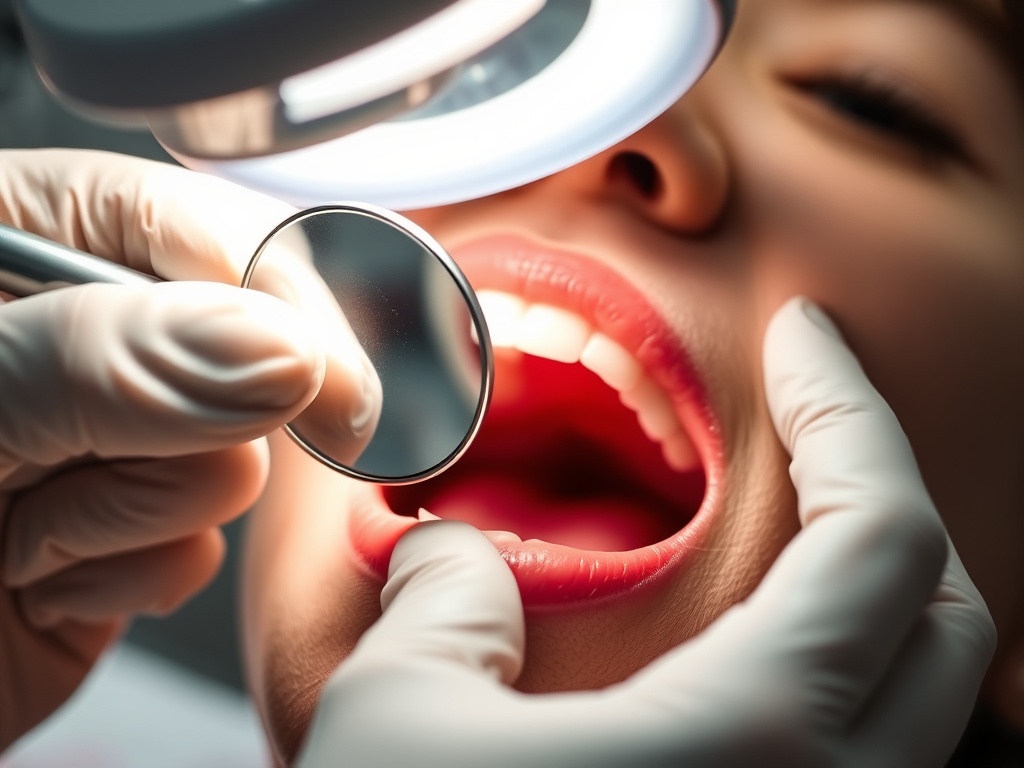
A comprehensive pre-cosmetic evaluation typically includes:
- Full-mouth X-rays or a panoramic image to check for decay, bone loss, or impacted teeth
- Periodontal probing to assess gum health — gum recession or pocketing affects veneer and crown margins
- Bite and jaw assessment, especially if crowns, veneers, or implants are planned — a misaligned bite can crack restorations quickly
- Shade and symmetry mapping if whitening, veneers, or bonding are on the table
- Discussion of habits like grinding, clenching, or tobacco use that could affect longevity
What to Bring and Prepare
Coming prepared shortens the visit and improves accuracy:
- Bring a list of any current medications — some anticoagulants, bisphosphonates, and immunosuppressants affect treatment sequencing
- Collect previous X-rays if you've recently seen another dentist — this avoids duplicate radiation and gaps in history
- Note any areas of sensitivity, pain, or visible changes you've observed
- Bring your insurance documentation or a summary of your dental benefits — this helps the dentist plan in stages if needed
- Write down your aesthetic goals clearly: tooth color, shape, length, or smile width changes you're hoping for
Understanding billing before committing to treatment matters too. For more on navigating that process, see surprise dental fees and billing red flags patients should watch for.
Key Decision Points: When Treatment Is Delayed
After the exam, the dentist may recommend completing certain treatments before scheduling cosmetic work. Common holds include:
- Active cavities: Decay must be restored before veneers or bonding are placed on or adjacent to affected teeth.
- Gum disease: Inflammation changes gum margins, which affects how veneers and crowns fit. Most cosmetic work is postponed until gum health is stable.
- Bite problems: Significant overbite, crossbite, or bruxism may warrant orthodontic correction or a night guard before cosmetic investment.
- Tooth structure loss: Severely worn or fractured teeth often need a build-up restoration before a veneer or crown can be placed.
Questions Worth Asking at the Exam
Use the appointment to gather information that helps you make an informed decision:
- Is there any active disease that needs to be treated first, and how long will that take?
- Will my insurance cover any part of the preparatory work?
- Are my aesthetic goals realistic given my current tooth structure and bite?
- What is the expected lifespan of the cosmetic work being proposed?
If you're also dealing with bite concerns that could affect long-term cosmetic results, understanding how orthodontists decide whether jaw surgery should be part of the plan can help clarify whether additional evaluation is needed.
Red Flags to Watch For
Not every provider follows a thorough pre-cosmetic protocol. Be cautious if:
- No X-rays are taken or offered before proceeding
- The dentist quotes a cosmetic price without mentioning gum health, bite, or decay status
- There's no discussion of treatment sequencing or pre-cosmetic health requirements
- The consultation is heavily sales-driven with little clinical assessment
When to Book — Routine vs Urgent
If you're planning cosmetic work with no current pain or visible concerns, scheduling a standard exam 4–6 weeks ahead of your cosmetic consultation is usually sufficient. However, if you have tooth pain, swollen gums, or sensitivity that has worsened recently, book a diagnostic appointment promptly rather than waiting for a combined exam.
Your Next Step
If cosmetic treatment is on your radar, request a comprehensive oral health exam specifically tied to your aesthetic goals — not just a routine cleaning. Ask the dentist to give you a written treatment sequence so you understand what must happen before cosmetic work begins. For more on building a complete oral care picture, see how sugar, snacking, and sipping affect your teeth all day — small daily habits can affect cosmetic longevity more than most patients realize.