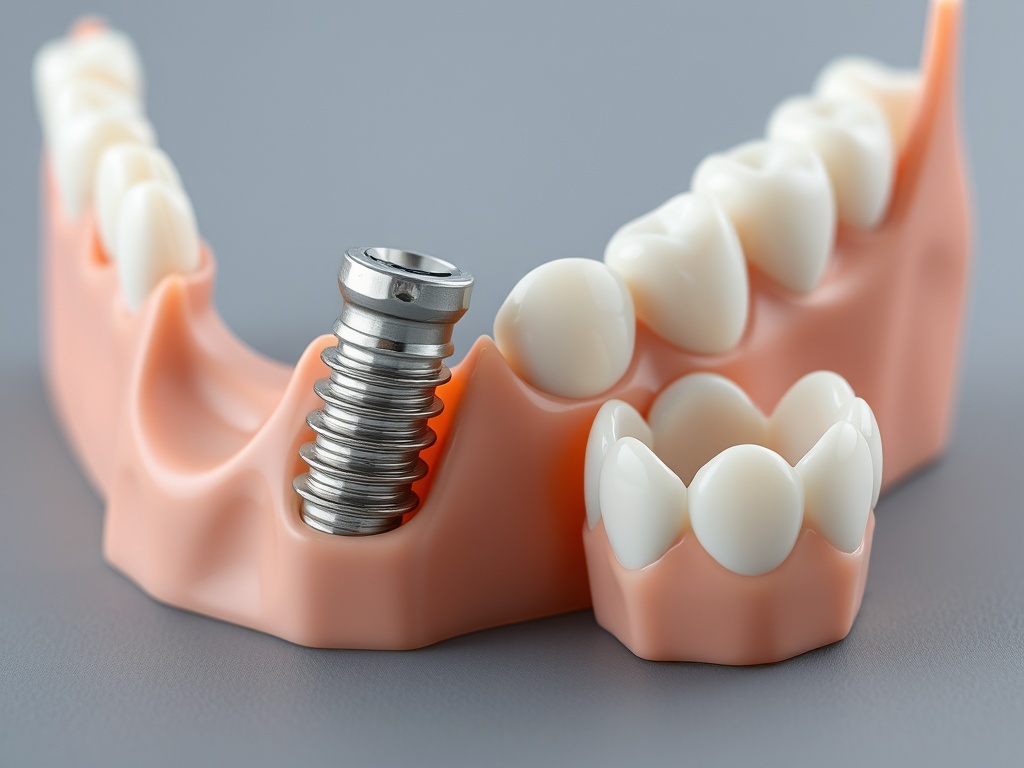

A coronectomy removes only the crown of a wisdom tooth while leaving the roots in place — the opposite of a standard extraction. For a specific subset of patients, this approach significantly reduces the risk of permanent nerve injury.
Key Takeaways
- A coronectomy is considered when wisdom tooth roots are in close proximity to the inferior alveolar nerve.
- Full extraction is the standard approach and appropriate for most cases.
- Coronectomy reduces — but does not eliminate — the risk of nerve damage in high-risk cases.
- The retained roots may need to be monitored or eventually removed if they migrate or cause symptoms.
- The decision requires imaging — typically a CBCT scan — and consultation with an oral and maxillofacial surgeon.
What Is a Coronectomy?
In a coronectomy, the crown portion of the lower wisdom tooth is surgically removed while the roots are intentionally left below the bone. The root surface is smoothed and the site is closed. Over the following months, the retained roots often migrate upward and away from the nerve — sometimes reaching a position where conventional extraction becomes lower risk.
The procedure was developed as a response to the known risk of inferior alveolar nerve (IAN) damage during lower wisdom tooth extraction — a complication that can cause lasting numbness, tingling, or altered sensation in the lower lip, chin, and teeth. According to research published in the British Journal of Oral and Maxillofacial Surgery, coronectomy significantly reduces IAN injury risk in cases where roots are directly contacting or surrounding the nerve.
Who Is a Candidate for Coronectomy?
Not every wisdom tooth extraction carries equivalent nerve risk. Coronectomy is typically considered when preoperative imaging — usually a cone beam CT (CBCT) scan — shows:
- Roots that are in close contact with or wrapped around the inferior alveolar nerve canal
- Darkening of the roots on panoramic X-ray where they cross the nerve canal
- Interruption or narrowing of the nerve canal outline near the roots
Coronectomy is generally not recommended for:
- Wisdom teeth with active infection around the crown — infection requires full removal
- Horizontally impacted teeth where the crown cannot be removed cleanly
- Patients who are unlikely to attend follow-up appointments for root monitoring

Full Extraction vs Coronectomy: A Clinical Comparison
| Factor | Full Extraction | Coronectomy |
|---|---|---|
| Procedure | Complete tooth removed including roots | Crown removed; roots left in place |
| Nerve risk | Higher in high-proximity cases | Significantly reduced in high-proximity cases |
| One-time procedure? | Yes — complete resolution | May require second surgery if roots migrate or cause symptoms |
| Infection risk | Standard post-extraction risk | Slightly elevated; roots must be monitored |
| Recovery | Typical 3–7 days soft tissue | Similar; may be slightly longer |
| Appropriate when? | Standard cases; most impactions | Nerve proximity confirmed on CBCT imaging |
Decision Framework Before Your Consultation
When meeting with a surgeon to discuss wisdom tooth removal, a few questions can help you understand the risk profile and whether coronectomy is relevant to your case:
- Has a CBCT scan been done, and does it show root-nerve proximity?
- What is the estimated risk of nerve injury with full extraction in my specific case?
- If coronectomy is recommended, how often will the retained roots need to be monitored?
- Under what circumstances would the roots need to be removed later?
- What is the surgeon's individual experience with coronectomy outcomes?
What Recovery Looks Like
Recovery from a coronectomy generally resembles recovery from a standard extraction: soft diet for the first few days, avoidance of rinsing or spitting vigorously for 24 hours, and pain management with over-the-counter medications. See what you can eat after a root canal—and when for soft-food guidance that also applies to the post-extraction window.
Follow-up X-rays at 6–12 months are standard after a coronectomy to assess root migration and confirm no complications are developing. If the roots migrate significantly upward, a straightforward second extraction — now at lower nerve risk — can be scheduled. Billing for this type of two-stage approach may involve separate codes; reviewing surprise dental fees and billing red flags patients should watch for before your consultation may help prevent unexpected charges.
Getting to the Right Recommendation
Coronectomy is not a way to avoid surgery — it is a clinically specific alternative in a defined subset of cases. Most wisdom tooth extractions are straightforward, and most patients are appropriate candidates for standard removal. The key is ensuring that a CBCT scan has been obtained and reviewed when root-nerve proximity is suspected on initial panoramic imaging. For patients evaluating implant options to replace missing teeth, how long do dental implants last with proper maintenance provides relevant context on what full extraction and replacement might involve long-term.