
After a root canal, most patients can eat the same day — but what and how you eat in the hours and days that follow directly affects comfort, healing, and the long-term success of the restoration.
Key Takeaways
- Wait until numbness wears off before eating anything — typically 2–4 hours after the procedure.
- Soft foods that require minimal chewing are ideal for the first 2–3 days.
- Avoid chewing on the treated side until a permanent restoration is in place.
- Hot foods and alcohol should be avoided while any temporary restoration is present.
- Pain that worsens after 48–72 hours or is severe and persistent warrants a call to your dentist.
The First Hours: What to Wait For
Root canal treatment involves local anesthesia that typically lasts 2–4 hours after the procedure. Eating while numb carries real risk: you can bite your cheek, tongue, or lip without realizing it, and you may apply significant force to the treated tooth without any pain feedback.
Once sensation returns, it's generally safe to eat soft foods on the opposite side of the mouth from the treatment. The treated tooth — and any temporary restoration placed over it — is not designed to withstand full chewing pressure.
Soft Foods That Work Well
For the first 2–3 days, choose foods that are easy to chew and don't require significant force or temperature extremes:
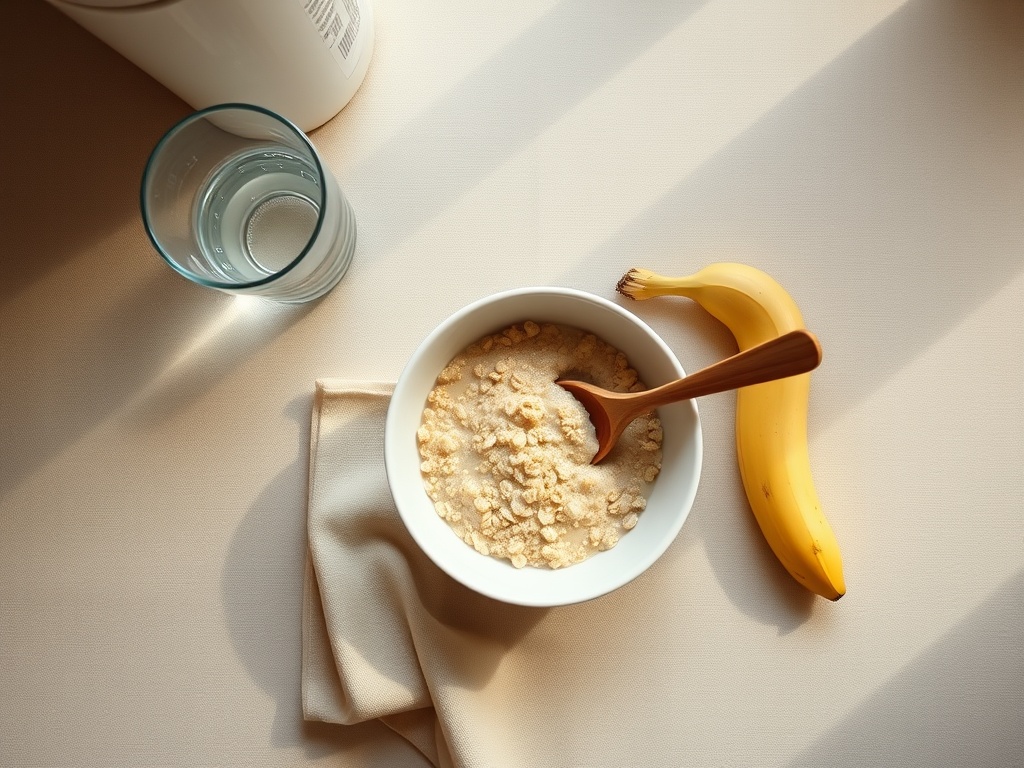
- Yogurt, applesauce, and smoothies
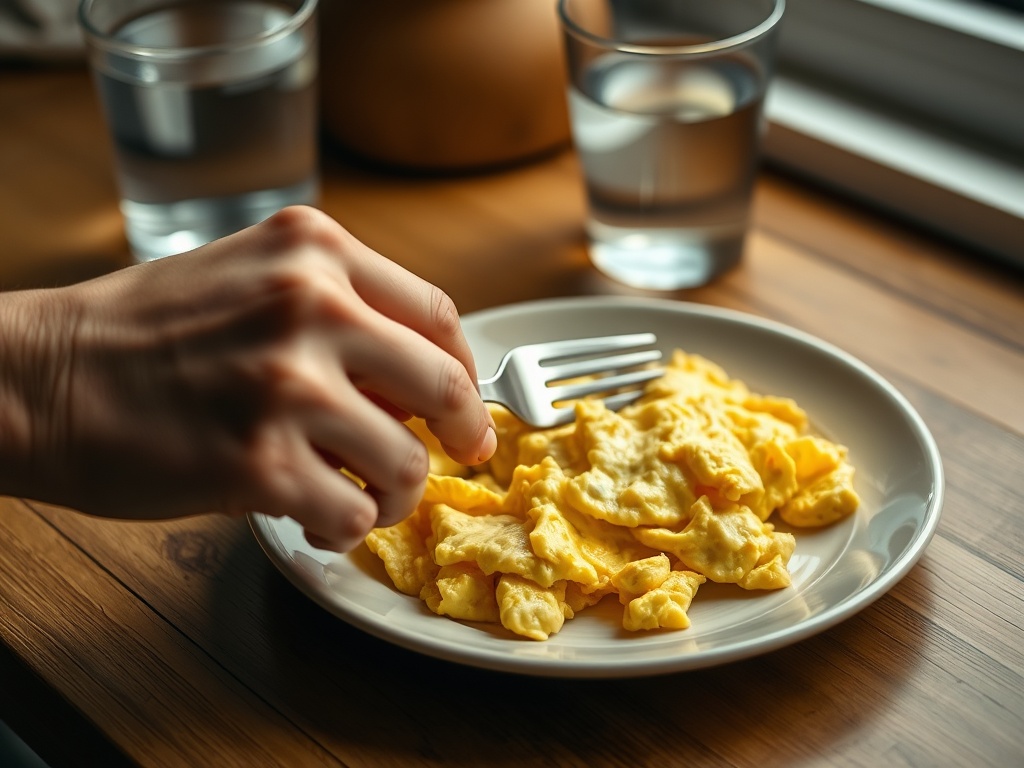
- Scrambled eggs and soft-cooked fish
- Soup — warm, not hot; avoid chunky soups that require chewing
- Mashed potatoes, soft rice, oatmeal
- Soft pasta with minimal sauce chewing required
- Bananas, avocado, ripe pears
These are not just comfort choices — they reduce the risk of dislodging or cracking a temporary crown, which can expose the treated canal to bacteria and delay final restoration.
What to Avoid and Why
- Hard, crunchy, or brittle foods: Chips, nuts, raw vegetables, and hard candy put point pressure on the treated tooth and can crack a temporary crown or fracture a tooth weakened by decay removal.
- Sticky foods: Gummy candy, caramel, and chewy dried fruit can pull off a temporary restoration.
- Very hot foods and drinks: Post-procedure sensitivity is common; hot foods can trigger significant discomfort. They also soften some temporary cement materials.
- Alcohol: Can interact with any prescribed pain medication and interfere with the healing environment.
- Chewing on the treated side: Until a permanent crown or restoration is placed, the treated tooth is structurally compromised and at risk of fracture under load.
When a Permanent Crown Changes the Timeline
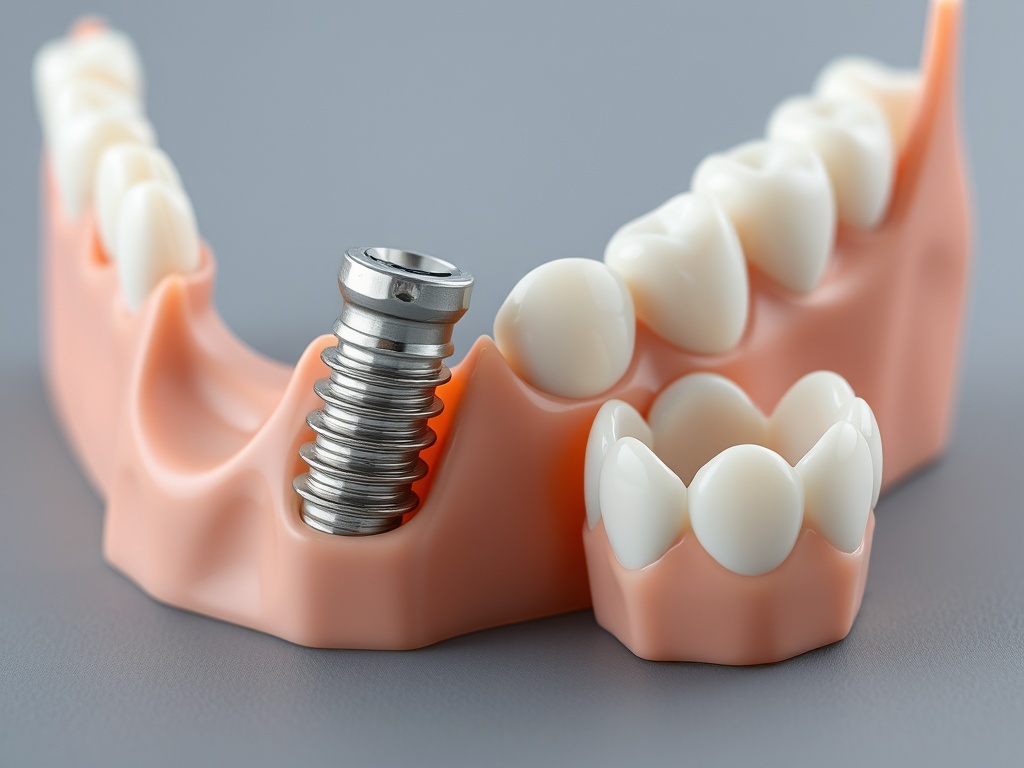
A root canal-treated tooth almost always needs a crown — the procedure removes internal pulp tissue and reduces the tooth's structural resilience. Until that crown is permanently placed, treat the tooth as fragile. A permanent crown typically returns the tooth to near-normal function, after which most dietary restrictions are lifted. For context on what that restoration involves, build-up vs crown: understanding the difference explains the two-step process many patients encounter.
Managing Sensitivity and Discomfort
Some tenderness in the jaw and treated area for 2–5 days after a root canal is normal, particularly when biting. Over-the-counter ibuprofen or acetaminophen, taken as directed, is usually sufficient for this phase.
Contact your dentist if:
- Pain that initially improved begins worsening after 48–72 hours
- Swelling develops or returns after initial resolution
- The temporary crown comes off or feels significantly different when you bite
- You develop a fever alongside dental pain
Common Mistakes and How to Avoid Them
The most frequent post-root canal problems stem from resuming normal eating too quickly:
- Eating on the treated side because it no longer hurts — a root canal removes the nerve, so absence of pain does not mean the tooth is structurally sound
- Forgetting that the temporary crown is not as strong as a permanent one and using it for normal chewing
- Delaying the follow-up appointment to get the permanent crown placed — the longer a temporary restoration remains, the higher the risk of reinfection or fracture
When to Manage at Home vs When to Call
Most root canal recovery is manageable at home with over-the-counter pain relief and soft foods for 2–5 days. The line shifts when pain escalates, swelling develops, or a restoration is lost or damaged. For a broader picture of billing and treatment plan follow-through, surprise dental fees and billing red flags patients should watch for is useful if you're navigating the cost of the follow-up crown appointment.