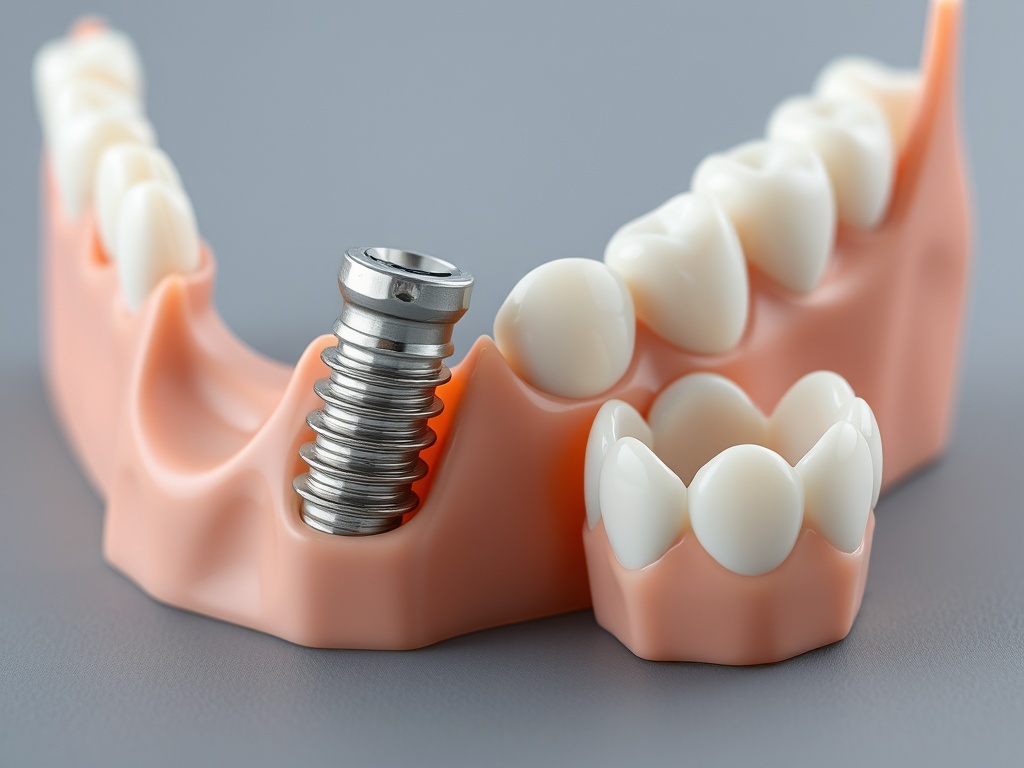

Dental implants can last 15 years or longer — and in many cases, a lifetime — when they are placed in patients with adequate bone density, managed systemic health, and consistent oral hygiene. The crown attached to the implant typically needs replacement after 10–15 years.
Key Takeaways
- The implant fixture (the titanium screw) often lasts a lifetime with proper care; the crown on top typically lasts 10–15 years.
- Implant failure most often occurs in the first year (early failure) or due to peri-implantitis over time (late failure).
- Smoking, uncontrolled diabetes, and gum disease are the most significant risk factors for implant failure.
- Professional cleanings every 3–6 months and daily flossing around implant sites are essential.
- A failing implant can often be detected early — which is why regular checkups matter.
What an Implant Actually Is
A dental implant system has three components: the fixture (a titanium post surgically placed into the jawbone), the abutment (a connector piece that attaches to the fixture above the gum line), and the crown (the visible tooth-shaped cap). When people ask how long implants last, the answer differs for each component.
The titanium fixture integrates with the jawbone through a biological process called osseointegration. Once fully integrated, it becomes structurally part of the jaw and can remain stable indefinitely with proper care. The American Academy of Implant Dentistry notes that implants have been in clinical use for over 50 years and are considered one of the most predictable tooth replacement options available.
Factors That Affect Implant Longevity
- Bone density at placement: Adequate bone volume and density is required for the fixture to integrate. Patients with bone loss may require a bone graft before implant placement.
- Systemic health: Uncontrolled diabetes impairs healing and increases infection risk. Certain medications — particularly bisphosphonates and immunosuppressants — can affect bone metabolism and implant integration.
- Smoking: Tobacco use is consistently associated with higher implant failure rates. Smoking impairs blood flow and immune response at the implant site.
- Bite forces: Bruxism (teeth grinding) places excessive force on implant crowns and can accelerate wear or cause mechanical failure of the abutment or crown.
- Gum disease history: Active periodontitis at the time of placement or developing afterward is one of the primary drivers of late implant failure through a condition called peri-implantitis.
Peri-Implantitis: The Main Late-Failure Risk
Peri-implantitis is an inflammatory condition that affects the gum and bone surrounding an implant — the implant equivalent of periodontitis around natural teeth. It can develop years after successful placement and may progress silently before becoming symptomatic.
Early signs include bleeding around the implant site, slight swelling, and discomfort when probed at a dental examination. Left untreated, peri-implantitis causes bone loss around the implant that can eventually lead to fixture failure and loss.
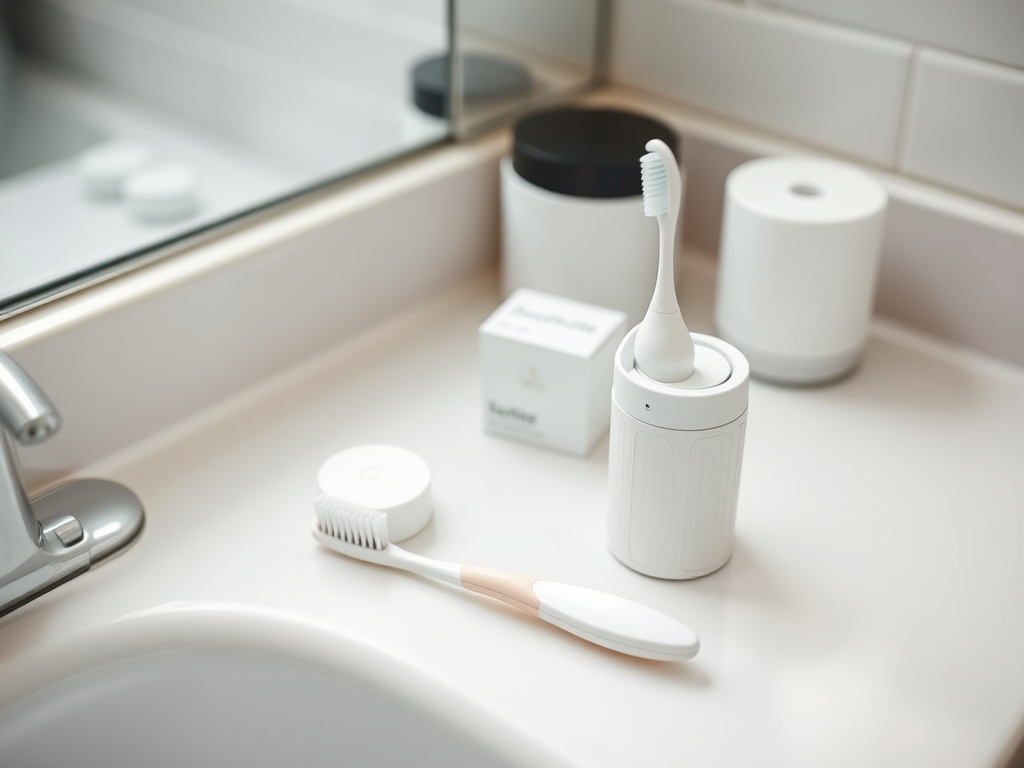
Prevention depends on daily flossing or water flossing around the implant, professional cleanings at appropriate intervals (often every 3–6 months for implant patients), and treating any gum disease before it progresses.
How to Care for an Implant Long-Term
- Brush twice daily with a soft-bristled brush, using a non-abrasive toothpaste
- Floss daily around the implant using implant-safe floss, a water flosser, or an interdental brush
- Attend professional cleanings every 3–6 months — standard 6-month intervals may not be sufficient for implant patients
- If you grind your teeth, wear a night guard to protect the implant crown from excessive force
- Avoid smoking — if you smoke, cessation significantly improves implant outcomes
- Keep systemic conditions such as diabetes managed in partnership with your physician
When to Watch vs When to Seek Care
Watch and monitor at home if:
- Mild sensitivity around the implant that resolves within a few days of a cleaning
- Normal gum appearance with no swelling or bleeding
Schedule a dental evaluation promptly if:
- Bleeding around the implant site during routine brushing or flossing
- Visible gum recession around the implant crown
- Any loosening or shifting of the crown
- Persistent pain or pressure at the implant site
Realistic Expectations
An implant is an investment in long-term function and comfort — but it is not permanent in the same way a biological tooth is. The crown will likely need replacement within 10–15 years; the fixture may last a lifetime if maintained. Patients who are considering whether an implant is the right choice after extraction can also review coronectomy vs full wisdom tooth removal: why the safer choice sometimes looks different for context on how the extraction decision connects to future replacement planning.
Unexpected costs sometimes arise during implant treatment — bone grafts, abutment changes, and crown replacements can add to the total. Reading about dental billing red flags and how to avoid surprise fees before starting treatment helps patients ask the right questions upfront.