A suspension inspection before buying a used car helps reveal worn shocks, struts, bushings, ball joints, wheel bearings, alignment problems, and accident-related damage that may not be obvious in listing photos.
Quick takeaways
- Inspect tires, ride height, leaks, steering feel, noises, and underbody condition before negotiating.
- A smooth short drive is not enough; test different speeds and road surfaces when safe.
- Pay for a professional pre-purchase inspection if anything feels loose, uneven, noisy, or recently covered up.
Begin With the Tires and Stance
Tires are the easiest suspension clue because they record how the vehicle meets the road. Look for inner-edge wear, cupping, feathering, mismatched brands, uneven tread depth, and fresh tires on only one axle. New tires are not automatically bad, but they can hide an alignment or worn-component issue if installed just before sale.
Step back and look at ride height. A corner that sits low, a vehicle that leans, or a wheel that looks off-center in the wheel opening deserves more inspection. Compare both sides in good light and avoid judging on a sloped driveway.
Listen and Feel During the Test Drive
A useful test drive includes low-speed turns, moderate braking, rough pavement, smooth pavement, and highway speed when safe and legal. Listen for clunks, rattles, squeaks, groans, humming, and popping. Feel for wandering, vibration, steering pull, bump steer, delayed response, or a floating sensation after bumps.
Consumer Reports advises used-car shoppers to inspect condition carefully and consider a professional inspection before purchase in its used-car guidance, including its used-car inspection checklist.
| Checklist item | What to look for | Why it matters |
|---|---|---|
| Tire wear | Cupping, inner wear, feathering | May indicate alignment or worn parts |
| Shocks and struts | Leaks, bounce, knocking | Affects control and braking feel |
| Bushings | Cracks, separation, excessive movement | Can cause clunks and wandering |
| Ball joints/tie rods | Looseness or torn boots | Steering and safety concern |
| Wheel bearings | Growl or hum changing with speed | Can worsen and affect wheel stability |
Look Underneath Without Guessing
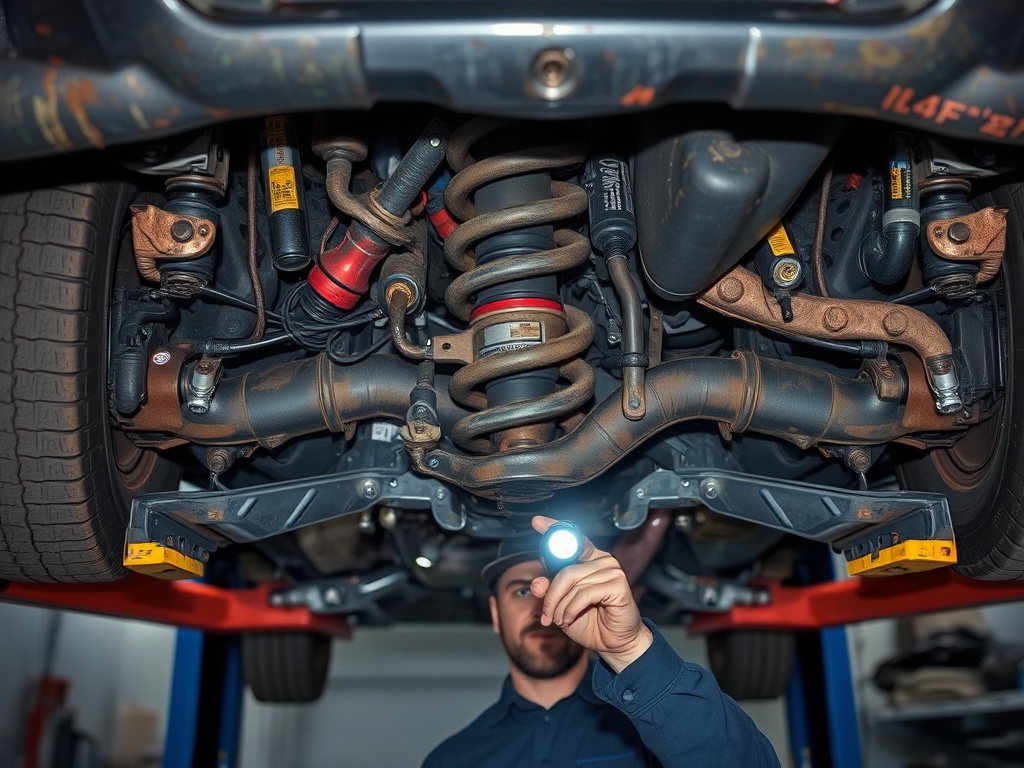
A basic visual check can reveal torn boots, leaking shocks, bent control arms, rusted mounting points, damaged sway-bar links, and fresh undercoating that may be covering corrosion. Do not crawl under a vehicle supported only by a jack. If the seller will not allow a safe inspection, consider that a risk signal.
Rust matters because suspension repair can become more expensive when bolts seize or mounting areas are compromised. Regional conditions change the risk. A vehicle from a snowy, salted region may need closer underbody review than a similar vehicle from a dry climate.
Questions to Ask the Seller
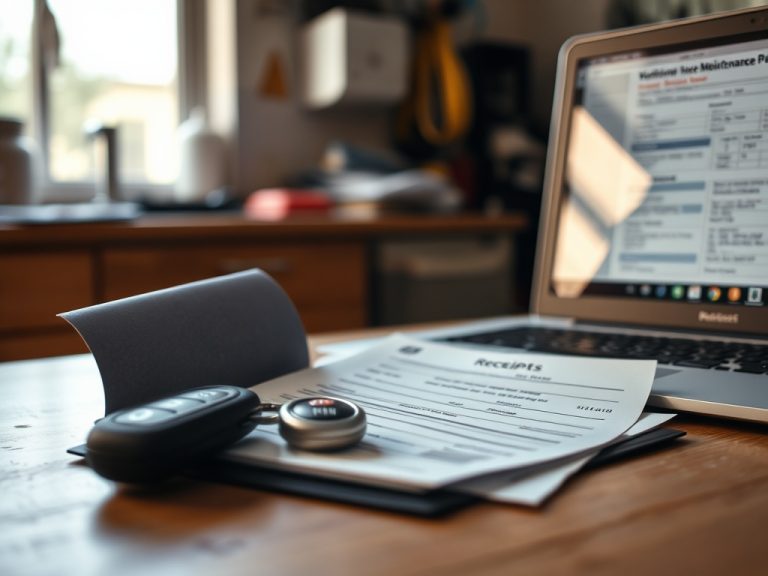
Ask whether shocks, struts, control arms, tie rods, ball joints, wheel bearings, tires, or alignments have been replaced. Ask for receipts, not just verbal assurances. If the vehicle recently had new tires or an alignment, ask why. If there was accident repair, ask which corner was affected and whether suspension parts were replaced.
Good maintenance records help here. A seller who can show dates, mileage, parts, and inspection notes is easier to evaluate than one who says everything was done but has no proof. That is why DIY maintenance records matter when a buyer is trying to confirm whether suspension and tire work were handled on time.
Red Flags That Should Slow the Purchase
Walk away or pause for a professional inspection if the vehicle pulls hard, clunks over small bumps, has uneven tire wear, shows leaking shocks, sits unevenly, has steering play, makes grinding or humming noises, or has dashboard stability-control warnings. Any one of these may be repairable, but the price should reflect the risk.
Brake warnings also matter because suspension, tires, and brakes work together during emergency stops. If a warning light is present, review why a brake warning light can mean more than one thing before treating the light as a minor detail.
Buy the Car Only After the Ride Checks Out
A used car does not need to feel new, but it should feel controlled, predictable, and consistent. If the seller refuses a pre-purchase inspection, pressures you to decide immediately, or dismisses obvious noises as normal, slow down. The cheapest inspection is often the one that prevents you from buying the wrong vehicle.
When to Pay for a Professional Inspection
Pay for a professional inspection when the vehicle is expensive, far from home, recently repaired after an accident, fitted with new tires of unclear purpose, or showing any steering or ride-quality symptom. The inspection cost is small compared with buying a vehicle that needs struts, control arms, tires, wheel bearings, and alignment soon after purchase.
Ask the inspector to road-test the vehicle where safe, check for suspension leaks and play, inspect tire wear, look for bent or replaced parts, and comment on corrosion. A good report should separate urgent safety concerns from normal wear. That distinction helps you negotiate without treating every finding as a deal breaker.
If the seller refuses inspection, decide whether the risk fits the price. Some sellers have reasonable timing concerns, but a flat refusal on a vehicle with clunks, uneven tires, or warning lights should make you cautious. Suspension repairs can be routine, but hidden structural or corrosion issues can change the whole purchase decision.
Negotiation Notes After the Inspection
If the inspection finds suspension wear, translate the finding into repair priority. A torn dust boot may be a future concern. A loose ball joint, leaking strut, broken spring, or unsafe tire wear can be immediate. Ask the inspector to separate safety issues, near-term repairs, and normal age-related wear. That makes the negotiation specific instead of emotional.
Use written findings rather than rough guesses. If the seller agrees to repair the issue, ask for a real invoice and verify the work afterward. If you accept the vehicle as-is, price the repair risk into your offer. A good suspension inspection gives you leverage, but more importantly, it helps you avoid buying a car that feels fine only because the test drive was too short.
Test Drive Route Planning
Plan a route before the inspection drive if the seller allows it. Include smooth road, rough pavement, low-speed turns, a safe straight section, and a place to brake gently. Do not abuse the vehicle, but do give the suspension a fair chance to reveal noises, bounce, pull, or vibration. A five-minute loop around a perfect block can miss the very problems you are trying to find.
Do Not Ignore Alignment Clues
Alignment symptoms often point toward deeper suspension questions. A steering wheel that sits off-center, a vehicle that drifts, or tires worn on one edge may need only alignment, but it may also need worn parts replaced before alignment will hold. Ask the inspector which comes first. Paying for alignment before loose parts are repaired can waste money and hide the real issue for only a short time.