
Preventive maintenance protects resale value by reducing avoidable wear, supporting reliable performance, and giving buyers evidence that the vehicle was cared for before problems became expensive.
Quick takeaways
- Maintenance does not guarantee a higher sale price, but poor records and neglected service often reduce buyer confidence.
- Follow the owner’s manual first, then adjust for severe driving conditions when applicable.
- The best resale story is consistent care backed by dates, mileage, and receipts.
Why Maintenance Shows Up in Resale Conversations
Used-car buyers are buying risk as much as transportation. Two vehicles may look similar, but the one with consistent maintenance records is easier to trust. Preventive care suggests the owner handled small needs before they created bigger damage. That perception can influence negotiation, inspection outcomes, and how quickly a buyer feels comfortable moving forward.
This is not a promise that every oil change increases value by a set amount. Resale pricing depends on market demand, mileage, condition, location, accident history, trim, and timing. Maintenance protects value by reducing reasons for a buyer to discount the vehicle.
Owner’s Manual First, Internet Advice Second
The owner’s manual or manufacturer maintenance schedule should be the baseline. It reflects the vehicle's engineering, fluids, service intervals, and inspection points. Online advice can be useful, but it should not override the manual. Severe-use conditions, such as frequent short trips, towing, dusty roads, extreme heat, heavy traffic, or long idling, may require shorter intervals.
If you are unsure what a service due message means, treat it as a reminder to check the schedule, not a command to approve every upsell. The FTC's auto repair basics is a practical reference for asking questions before approving work.
| Maintenance area | Resale-value role | Proof to keep |
|---|---|---|
| Oil and filters | Supports engine care history | Receipts with mileage and specification |
| Tires and rotations | Shows wear management | Tire invoices and rotation notes |
| Brake fluid and pads | Supports safety-system care | Inspection and repair invoices |
| Coolant and belts | Reduces overheating and breakdown risk | Service records and parts receipts |
| Battery and charging | Reduces no-start surprises | Test results and replacement receipt |
The Small Services Buyers Notice
Tires, brakes, wipers, lights, fluids, and battery condition are easy for buyers and inspectors to notice. A vehicle with mismatched tires, grinding brakes, stale fluids, and warning lights invites a lower offer. Even if the drivetrain is strong, visible neglect creates doubt.
Suspension condition matters too because worn shocks, struts, bushings, and steering parts affect tire wear, ride feel, and safety impressions. Before buying or selling, a practical suspension inspection checklist can make the rest of the vehicle story easier to understand.
DIY, Professional Service, and the Evidence Gap
DIY maintenance can support value when it is documented well. Professional invoices can carry more weight for complex work because they show who performed the job and what parts were used. The strongest history may include both: simple owner care recorded carefully and professional service for inspections, fluids, brakes, tires, alignments, and repairs requiring tools or calibration.
The evidence gap appears when owners say the work was done but cannot prove it. That is why DIY maintenance records should include dates, mileage, receipts, and part details rather than memory alone.
Avoid the Maintenance Traps That Hurt Value
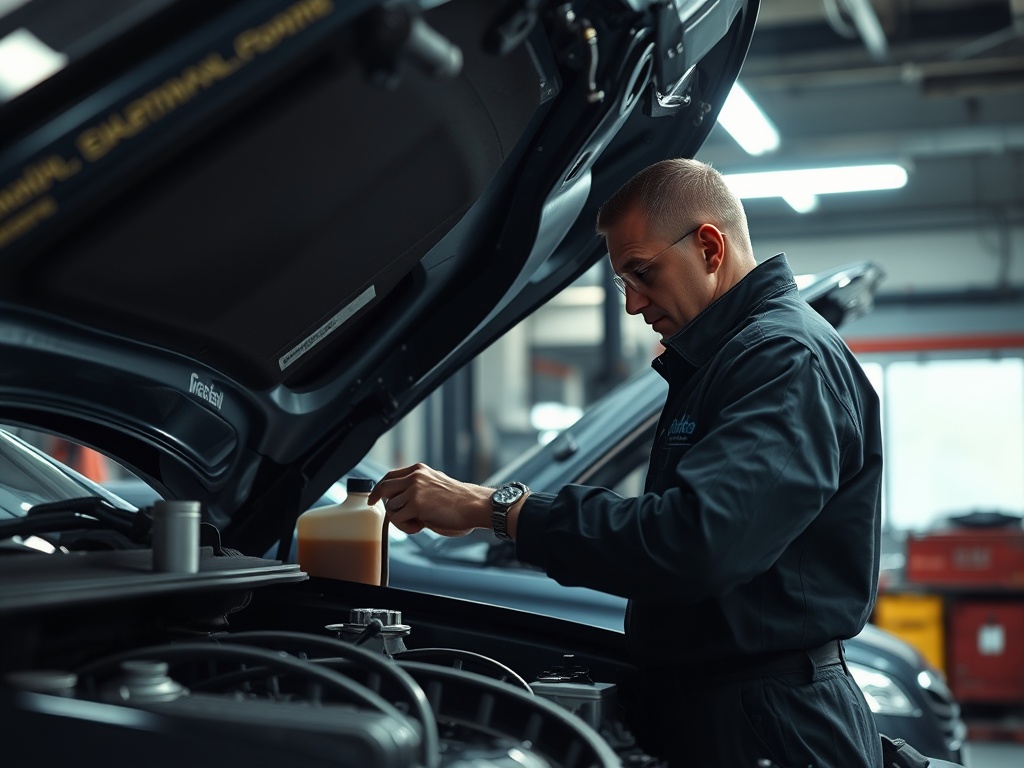
Do not skip services because the car seems fine. Many preventive tasks protect parts before symptoms appear. Do not use the wrong fluid specification to save money. Do not ignore leaks, warning lights, or abnormal noises. Do not reset reminders without recording the work. Do not hide failed inspections or unresolved recommendations from yourself, because they usually reappear during sale negotiations.
Also avoid overclaiming. A phrase such as 'well-maintained with records' is stronger than 'needs nothing.' The first invites review. The second invites skepticism.
A Stronger Ownership Story
The best next step is simple: check the manual, plan upcoming services by mileage and time, and keep every record in one place. Preventive maintenance protects resale value because it protects the vehicle first. The paperwork simply helps the next person see that care clearly.
A Maintenance Rhythm That Buyers Can Trust
The easiest rhythm is monthly, seasonal, and mileage-based. Monthly checks cover tires, lights, wipers, obvious leaks, and fluid levels that the owner’s manual allows you to inspect. Seasonal checks cover battery condition, coolant strength where applicable, HVAC performance, tire condition, and weather-related wear. Mileage-based service follows the manufacturer schedule.
This rhythm helps resale because it prevents a long silence between major services. A buyer reviewing records wants to see steady care, not a burst of repairs right before listing. Recent repairs are useful, but they can also raise the question of what else was ignored. Consistent smaller records create a calmer ownership story.
Before selling, do not spend blindly on every possible service. Fix safety issues, warning lights, fluid leaks, bald tires, and obvious drivability concerns first. Then organize the records and be honest about what is due next. A well-documented vehicle does not need hype. It needs clean evidence.
What to Prioritize Before Listing
Before listing a vehicle, prioritize the items a buyer will notice immediately: warning lights, tire condition, brake feel, leaks, smells, battery reliability, and missing service proof. Cosmetic touch-ups may help presentation, but unresolved mechanical concerns carry more negotiation weight. If you cannot repair everything, document what is known and price the vehicle honestly. Buyers are often more comfortable with disclosed issues than surprises.
A pre-sale inspection can be useful when the vehicle is older, modified, high-mileage, or priced above average. The report can show that the car was reviewed by a third party, but it should not be used to hide known concerns. Keep the message straightforward: maintained, documented, inspected where appropriate, and ready for a buyer to verify.
Receipts Beat Memory
When resale time comes, the strongest maintenance claim is the one supported by paperwork. A buyer may like your story, but receipts with mileage make it easier to trust. Keep tire records, battery tests, oil services, brake inspections, fluid services, and major repairs together. If you maintained the car carefully, the folder should make that care obvious without you having to oversell it.
Condition Still Leads the Conversation
Maintenance records support value, but visible condition still matters. A clean folder cannot cancel warning lights, bald tires, leaks, smoke, harsh shifts, or a neglected interior. The best resale preparation pairs real mechanical care with honest presentation. Fix what affects safety and reliability first, then let the records support the asking price without pretending the vehicle is flawless.
In the end, buyers respond to proof, consistency, and fewer surprises, which is exactly what a steady maintenance routine is designed to provide.