A brake warning light is not a single-problem alert. It can point to a parking brake, low fluid, worn friction material, an ABS fault, a sensor issue, or a hydraulic problem that needs urgent attention.
Quick takeaways
- Treat a red brake warning light as safety related until proven otherwise.
- Check simple causes first, but do not keep driving if the pedal feels soft, the light stays on, or braking feels uneven.
- A proper diagnosis separates electrical warnings from hydraulic or mechanical brake faults.
Start With the Color, Symbol, and Driving Feel
Most drivers notice the lamp before they notice the pattern behind it. That pattern matters. A red brake symbol usually carries more urgency than an amber ABS lamp, but vehicle designs vary, so the owner’s manual is the first reference for your exact model. If the parking brake was left slightly engaged, releasing it may clear the light. If the light returns, assume the vehicle is telling you something else.
The way the brake pedal feels is just as important as the dashboard. A pedal that sinks, needs more distance, vibrates in a new way, or pulls the vehicle to one side may indicate a fault that affects stopping control. Temporary checks are useful, but they are not repairs. When in doubt, park safely and arrange service rather than trying to outguess a warning lamp.
| Possible trigger | What it may suggest | How urgent it is |
|---|---|---|
| Parking brake indicator | Lever or electronic parking brake not fully released | Low if it clears immediately |
| Low brake fluid | Fluid level has dropped from wear or a leak | High, especially if the level keeps falling |
| ABS warning | Anti-lock braking fault, often sensor or module related | Moderate to high depending on other symptoms |
| Brake pad sensor | Friction material may be near its wear limit | Schedule promptly |
| Hydraulic leak symptom | Soft pedal, visible fluid, longer stopping distance | Stop driving and get help |
What a Good Diagnostic Process Rules Out First
A sound diagnostic process begins with the easy variables, then moves toward the expensive ones. The technician should confirm the exact warning shown, scan the relevant control modules when the vehicle supports it, inspect fluid level and condition, check for visible leaks, examine pads and rotors, and verify whether ABS or traction-control faults are stored. This is a general best-practice sequence, not a substitute for manufacturer service information.
Brake fluid level deserves careful interpretation. Fluid can drop as pads wear because caliper pistons sit farther out. It can also drop because fluid is escaping. Topping off fluid without finding the reason can hide a worsening issue. If brakes were recently serviced, the shop should also confirm that sensors were reconnected, the parking brake was adjusted correctly, and the system was bled as needed.
For buyers or owners comparing related symptoms, a broader vehicle condition check can help. A used vehicle with uneven tire wear, pull, clunks, and brake warnings may need more than pads, which is why a practical suspension inspection checklist can make the rest of the vehicle story easier to understand.
Temporary Steps Versus Proper Repair

A temporary step is something that helps you decide what to do next. It is not a reason to postpone service. Checking that the parking brake is off, verifying the brake fluid reservoir is not empty, and looking for visible fluid near wheels or under the vehicle can help you describe the problem. Resetting the warning without correcting the cause only removes information.
Proper repair depends on the fault. Worn pads may require pads and rotors if rotor condition is poor. A wheel-speed sensor fault may require sensor testing and wiring inspection before replacing parts. A leak may require a caliper, hose, line, master cylinder, or ABS hydraulic component repair. Because brakes are a safety system, cost drivers include part access, corrosion, fluid bleeding, electronic calibration, and whether the fault has damaged nearby components.
What to Monitor After the Brake Service
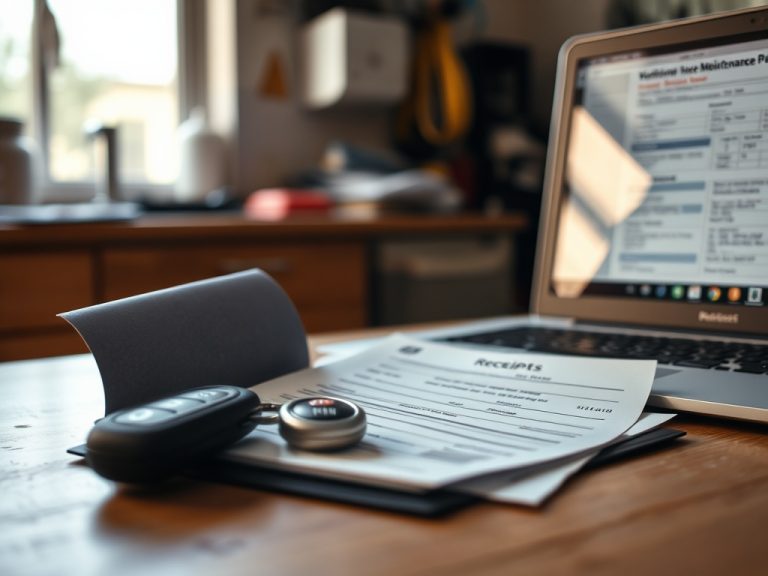
After a brake repair, the light should stay off, the pedal should feel consistent, and the vehicle should stop straight. New noises, a low pedal, burning smell, fluid spots, or a returning warning light should be reported quickly. Keep the invoice and note mileage, parts replaced, and any follow-up instructions. Strong records make future diagnosis easier and also support ownership history, which is covered in maintenance-record guide.
A Safe Way to Respond
The simplest rule is this: if the brake warning is red, stays on, returns after a restart, or appears with any change in brake feel, treat it as urgent. If it clears only because you moved the parking brake, continue watching it, but do not ignore repeat appearances. For consumer protection basics, the Federal Trade Commission suggests asking what work is needed, why it is needed, and getting repair details in writing through its auto repair basics.
Brake-Light Follow-Through Before You Drive Again
A useful brake-light conversation should end with a clear explanation of what was tested and what was ruled out. Ask whether the concern was hydraulic, mechanical, electrical, or sensor-related. If the shop found low fluid, ask why it was low. If the shop found an ABS fault, ask whether normal braking remains available and what functions may be limited until repair. Clear answers help you separate a safe short trip from a vehicle that should not be driven.
Also ask for the old parts or photos when practical. This is not about challenging the technician; it is about making the repair understandable. A photo of a leaking caliper, cracked hose, uneven pad wear, or damaged sensor wire can make the estimate easier to judge. If the issue appeared after recent service, bring that invoice so the shop can compare what was touched.
After repair, document the mileage, fluid type if listed, parts installed, and any bedding or follow-up instructions. If the vehicle still pulls, smells hot, or makes a grinding sound, return promptly. A brake warning light is one of those signals where patience can become expensive, and in the worst case, unsafe. The practical goal is a verified repair, not just a cleared dashboard lamp.
Estimate Review Before Brake Approval
Before approving a brake repair, ask the shop to connect the recommended work to the warning light, the pedal feel, and the inspection results. A clear estimate should explain the failed part, the safety concern, and what happens if the repair is delayed. If the recommendation includes pads, rotors, calipers, hoses, sensors, or fluid service, ask which items are required now and which are preventive. That distinction helps you avoid both under-repairing a safety issue and approving work that is not tied to the complaint.
For older vehicles, corrosion can change the repair path. A simple hose or caliper job may become more involved if fittings are seized or lines are weak. For newer vehicles, electronic parking brakes, ABS modules, or pad sensors may add diagnostic or service steps. Neither situation is automatically suspicious. What matters is that the estimate explains the reason clearly and gives you a safe, documented path back to normal braking.