A strong gag reflex can make dental care genuinely difficult — not just uncomfortable, but in some cases nearly impossible without the right management strategies. There are reliable options at every level of intervention, from simple positioning adjustments to sedation.
Key Takeaways
- The gag reflex is triggered by stimulation of soft palate, posterior tongue, or throat — and is more easily triggered in some patients than others.
- Anxiety significantly amplifies gag reflex sensitivity — addressing anxiety often reduces gagging.
- Non-sedation strategies (distraction, topical anesthetic, positioning) work well for mild-to-moderate cases.
- Nitrous oxide and oral sedation are the most common midpoints between no sedation and IV sedation.
- Communicate your gag reflex severity to your dentist before appointments, not during.
Why Gagging Happens — and Why Some People Are More Sensitive
The gag reflex is a protective mechanism that prevents foreign objects from reaching the throat. It's triggered when the soft palate, back of the tongue, uvula, or posterior pharynx is stimulated. In dental settings, this can be activated by instruments, impression trays, X-ray sensors, or even strong smells.
Sensitivity varies widely. Some patients gag only with specific triggers; others gag at the sight of a dental chair. Anxiety is a major amplifier — the anticipatory component of gagging is well documented, meaning patients who expect to gag often gag earlier and more severely. For patients whose anxiety is the primary driver, addressing that component directly can substantially reduce gag reflex incidents.
Non-Sedation Strategies
Many patients with moderate gag reflexes can be managed with non-pharmacological techniques:
- Acupressure point stimulation: Applying firm pressure to the P6 point on the inner wrist (used for nausea) may reduce gag sensitivity for some patients. This is low-risk and easy to try before appointments.
- Topical anesthetic: Applying benzocaine gel to the soft palate and posterior tongue before procedures can reduce afferent nerve signaling and raise the gag threshold.
- Patient positioning: Sitting upright or slightly forward rather than fully reclined reduces the tendency for saliva and stimuli to contact the posterior throat. Some patients gag significantly less when positioned more vertically.
- Distraction and focal tasks: Asking the patient to perform a mental task — counting backward, focusing on controlled breathing, lifting one leg — engages cognitive load and can interrupt the gag cycle.
- Salt technique: Some patients report that placing a small amount of salt on the tip of the tongue before dental procedures significantly reduces gagging — the mechanism is not fully understood but has anecdotal support.
- Nasal breathing cues: Training patients to breathe through the nose and avoid closing the throat can interrupt the gag sequence.
When Non-Sedation Isn't Enough: Pharmacological Options
When behavioral approaches are insufficient, a range of medications can help:
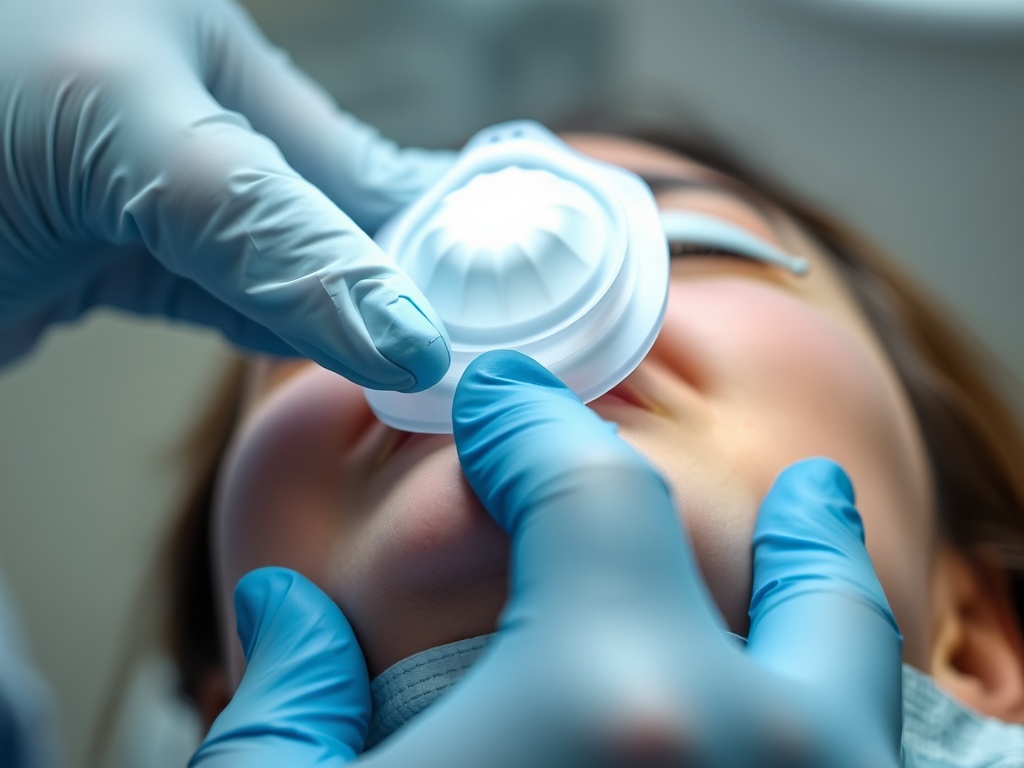
- Nitrous oxide (laughing gas): Inhaled through a nasal mask before and during the procedure, nitrous oxide provides mild sedation and anxiolysis that typically reduces gag reflex sensitivity substantially. It wears off quickly, patients can drive afterward, and it's one of the most commonly used and well-tolerated options for gag reflex management.
- Oral sedation: A benzodiazepine (commonly triazolam or diazepam) taken by mouth before the appointment produces a calmer, more manageable state. Patients require a driver. Combined with nitrous oxide, this can be effective for more severe cases.
- IV sedation: For patients with extreme gag reflexes or high anxiety, IV sedation allows the dentist to work with a fully relaxed patient. This requires monitoring and recovery time but enables completion of work that would otherwise be impossible.
- General anesthesia: Reserved for cases requiring extensive work or when gag reflex is pathologically severe. Typically performed in a hospital or surgical center setting.
The Role of Treatment Planning in Managing This
Patients with strong gag reflexes often benefit from more frequent shorter appointments rather than fewer longer ones. Longer procedures with more instruments in the mouth extend both physical and psychological exposure, typically worsening the response. For patients who also experience anxiety around procedures like wisdom tooth removal, coronectomy vs full wisdom tooth removal: what patients should know covers what those procedures involve — helpful for patients managing anticipatory anxiety about specific treatments.
If sedation is being considered, also review what you can eat after a root canal — and when for context on eating restrictions before sedation appointments, as many of the same fasting guidelines apply.
Warning Signs That Warrant Escalation
For most patients, gag reflex is a manageable inconvenience rather than a medical concern. However, seek evaluation if:
- Gagging is associated with swallowing difficulties, pain, or changes in voice
- The onset of a severe gag reflex is new and unexplained — this may warrant a medical workup
- Anxiety around dental care is so severe that it prevents any care from occurring — this crosses into dental phobia territory and may benefit from behavioral health support alongside dental management
Getting the Most From Your Appointment
Tell your dental team about your gag reflex at the time of scheduling — not during the appointment. This allows the team to plan adequate time, prepare appropriate topical anesthetics, arrange nitrous oxide if needed, and sequence the appointment to minimize difficult triggers. Patients who communicate their needs in advance consistently report more manageable experiences than those who disclose mid-procedure.