Cluster: Tools, Equipment & Jobsite Productivity | Content Type: Informational | Audience: Problem-Aware
The main priority is using thermal tools as screening aids without overclaiming diagnosis. Readers should use the article below to separate must-check risks from nice-to-have preferences, then turn those decisions into documented field or maintenance actions.
TL;DR: Infrared thermometers and cameras for building maintenance teams is best approached as a risk-control decision. Confirm responsibilities, document assumptions, verify conditions before work begins or before the next maintenance cycle, and avoid treating manufacturer claims, informal habits, or one-time inspections as proof of long-term performance.
What readers need to understand first
This article focuses on infrared camera building maintenance from a practical construction and maintenance perspective. The narrow issue is not theory alone; it is how owners, contractors, supervisors, or facility teams make reliable decisions when site conditions, codes, schedules, budgets, and documentation requirements all meet in the field.
Thermal tools are screening tools, not magic proof
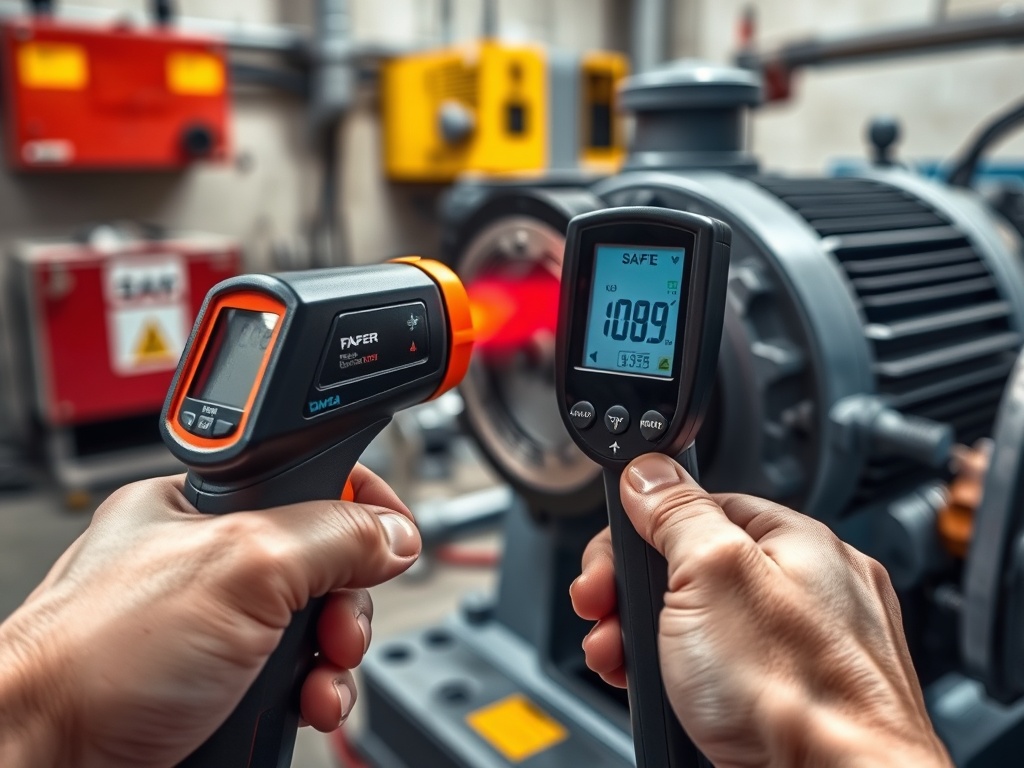
Infrared thermometers and thermal cameras help maintenance teams see surface temperature differences. They can support inspections of building envelopes, mechanical equipment, electrical panels, pumps, insulation gaps, and moisture-suspect areas. But they do not automatically identify the cause of a problem. A warm breaker, cool wall area, or damp-looking pattern still needs context, safe access, and sometimes a specialist inspection.
Understand what the tool actually measures
Infrared tools measure surface temperature, not internal condition. Readings are affected by emissivity, reflection, distance, angle, wind, sunlight, moisture, and surface finish. Shiny metal can mislead. Sun-warmed walls can hide or exaggerate envelope patterns. Recently operated equipment may show a different pattern than idle equipment. The U.S. Department of Energy notes that thermography can help detect thermal defects and air leakage in building envelopes, especially when used as part of an energy audit.
Comparison points that shape the decision
| Tool | Best use | Limit |
|---|---|---|
| Infrared thermometer | Quick spot surface temperature checks | Reads one spot and depends on surface conditions |
| Thermal camera | Pattern recognition across surfaces | Needs training, context, and proper interpretation |
| Professional thermography | Formal inspections and reports | Requires qualified procedures and often specialist support |
Where maintenance teams can use them
Thermal tools can help screen for overheated bearings, uneven motor temperatures, blocked coils, insulation voids, air leakage, heat loss, roof moisture patterns, steam trap issues, and unusual electrical heat signatures. In drainage work, they may help compare pump motor conditions or identify suspicious heat patterns near controls, supporting the broader inspection routines in sump pumps, lift stations, and drainage systems: maintenance priorities.
Electrical inspections require safety boundaries
Opening electrical equipment can introduce serious hazards. OSHA arc flash guidance explains that arc flash hazards can involve panels, switchboards, transformers, and other electrical equipment. Maintenance teams should not treat a thermal camera as permission to open energized gear without training, authorization, PPE, and safe procedures. In many facilities, electrical thermography should be performed by qualified personnel under an approved electrical safety program.
Document conditions, not just images
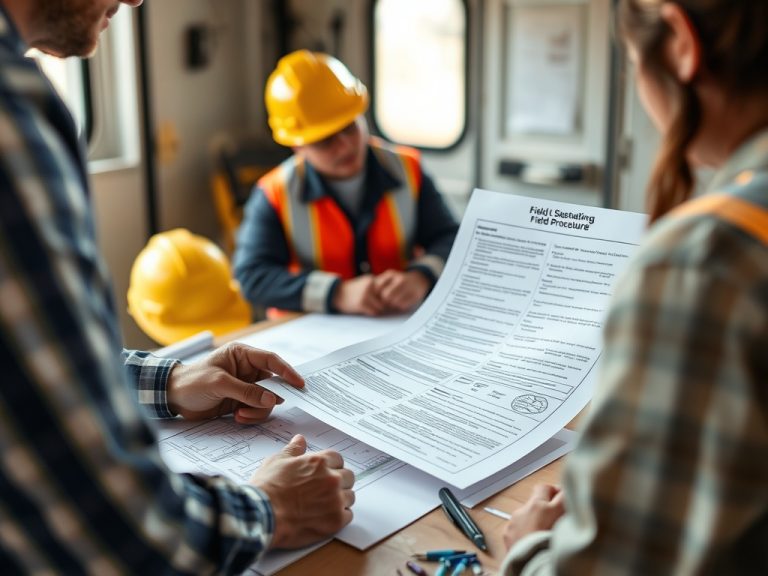
A thermal image without context is easy to misread. Record date, time, indoor and outdoor conditions, equipment load, distance, surface type, camera settings if applicable, and what prompted the inspection. Pair thermal images with normal photos. This improves trend comparison and helps contractors or specialists understand what was observed.
Housekeeping affects inspection quality
Blocked equipment, stored materials, dust, moisture, and clutter can prevent safe access or distort the inspection environment. The housekeeping habits discussed in the hidden risk of poor housekeeping on busy jobsites make thermal inspections safer and more repeatable. A camera cannot compensate for a mechanical room that is inaccessible or unsafe.
School and occupied-building use
In schools, offices, and occupied buildings, thermal scans should be planned around privacy, safety, and occupant disruption. School projects may combine thermal checks with HVAC troubleshooting, envelope reviews, or renovation planning. The scheduling discipline in school construction schedules that minimize academic disruption also applies to maintenance inspections in occupied spaces.
A practical adoption plan
Start with one use case, such as motor trending or envelope complaint investigation. Train users, define when to escalate, document conditions, and avoid making claims beyond the evidence. Thermal tools can sharpen maintenance judgment, but they work best when paired with experience, safe procedures, and follow-up testing.
Training levels for thermal tool users
A basic user can learn safe handling, spot checks, documentation habits, and when to escalate. A more advanced user may understand emissivity, reflected temperature, equipment loading, and environmental limitations. Formal thermography for electrical or envelope diagnosis may require qualified specialists. Matching the task to the user’s training helps prevent overconfident conclusions from a colorful image.
When to escalate beyond a maintenance scan
Escalate when an electrical condition involves energized equipment, when a thermal pattern suggests moisture behind finishes, when results could influence warranty or insurance claims, or when repeated readings trend in the wrong direction. Escalation is not a failure of the maintenance team. It is the point where a screening tool has done its job by identifying where deeper investigation is needed.
Evidence to capture for infrared camera building maintenance
Useful evidence should be specific enough for someone outside the original conversation to understand the decision. Capture the condition observed, the location, the date, the responsible person, the related drawing or asset where relevant, and the action taken or deferred. Photos should show context before close-ups, and notes should separate facts from interpretations. This habit is especially valuable when a project has multiple shifts, outside contractors, tenant coordination, or owner representatives who join the process after early decisions have already been made.
The review record should also name unresolved assumptions. Examples include pending approvals, unclear access, unknown existing conditions, manufacturer lead times, owner selections, weather constraints, inspection availability, and maintenance resources after handover. Calling out uncertainty is not negative. It gives the team a chance to manage the issue with contingency, sequencing, professional review, or a documented owner decision before work or maintenance activity depends on a guess.
For thermal tools, the best record is cautious and repeatable. It should help a qualified reviewer understand the conditions without overstating what the image proves.
Thermal inspection guardrails
Before buying more thermal tools, define the inspection use cases, training requirements, documentation rules, and escalation triggers your team will actually follow.
General disclaimer: This construction and maintenance content is for informational and educational purposes only. It does not constitute engineering, legal, code-compliance, safety, procurement, or project-management advice. Requirements vary by jurisdiction, project type, contract, occupancy, and site conditions, so qualified professionals should review project-specific decisions.