Cluster: Residential Construction & Home Projects | Content Type: Informational | Audience: Problem-Aware
The main priority is matching construction method to land, financing, design, schedule, and risk. Readers should use the article below to separate must-check risks from nice-to-have preferences, then turn those decisions into documented field or maintenance actions.
TL;DR: How to decide between site-built and modular homes is best approached as a risk-control decision. Confirm responsibilities, document assumptions, verify conditions before work begins or before the next maintenance cycle, and avoid treating manufacturer claims, informal habits, or one-time inspections as proof of long-term performance.
What readers need to understand first
This article focuses on modular home vs site built from a practical construction and maintenance perspective. The narrow issue is not theory alone; it is how owners, contractors, supervisors, or facility teams make reliable decisions when site conditions, codes, schedules, budgets, and documentation requirements all meet in the field.
The choice starts with the project conditions
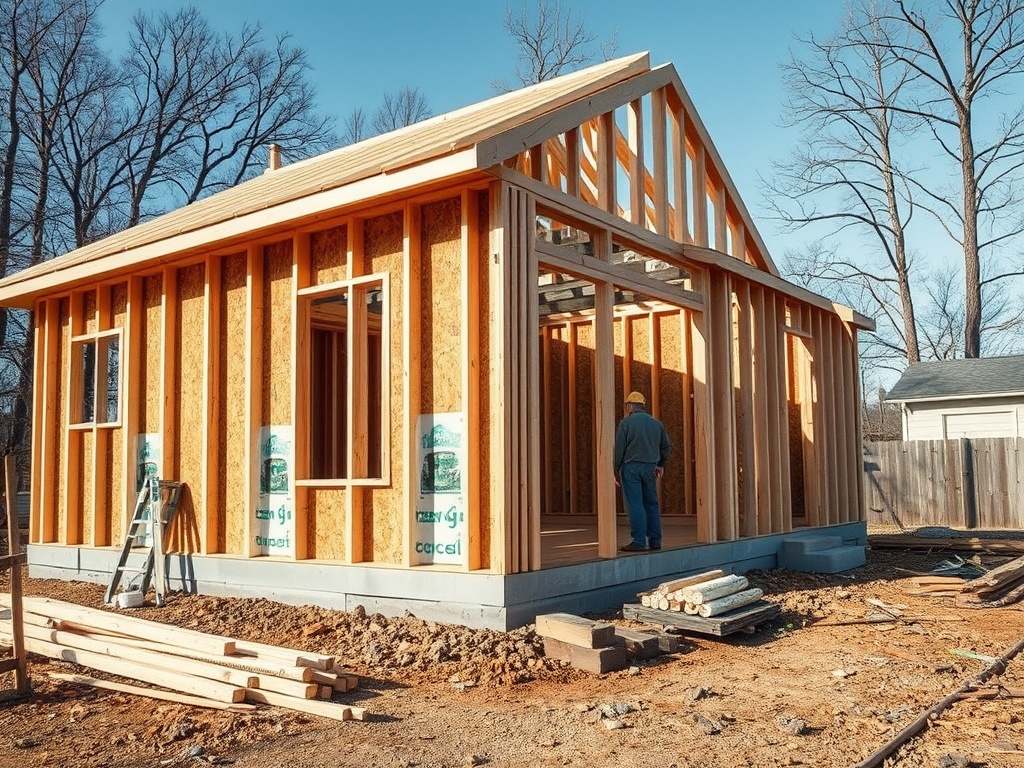
Choosing between a site-built and modular home is less about which method is better and more about which method fits the land, design goals, budget structure, financing, local code process, builder availability, and schedule. Site-built homes are assembled mostly on the property. Modular homes are built in sections in a factory and assembled on a permanent site foundation, while still needing local approvals and site work.
Do not confuse modular with manufactured housing
HUD materials distinguish site-built, HUD Code manufactured, and factory-built homes. Manufactured homes are regulated under federal HUD standards and are built on a permanent chassis. Modular homes are typically built to state and local building codes, like site-built homes, but the modules are constructed offsite. This distinction matters for financing, appraisal, permitting, insurance, and buyer expectations.
Comparison points that shape the decision
| Question | Site-built home | Modular home |
|---|---|---|
| Where most work happens | On the property | Factory-built modules plus site assembly |
| Design flexibility | Often high, depending on budget and builder | Varies by manufacturer and module system |
| Site exposure | More weather exposure during construction | Less factory-stage exposure, but site work still matters |
When site-built may make more sense
Site-built construction may fit better when the design is highly custom, the site has unusual access limits, the owner wants maximum on-site design flexibility, or local builders are more experienced with conventional construction. It can also be easier to adjust some details during construction, although late changes can still be expensive and disruptive.
When modular may make more sense
Modular construction may fit when the design can work within module constraints, the site is ready, the manufacturer has a strong track record, and schedule certainty is valuable. Factory work may reduce some weather exposure during module fabrication. However, the foundation, utilities, drainage, transport route, crane access, and final connections remain critical site responsibilities. NAHB’s modular resources describe modular homes as systems-built homes constructed to the same standards and codes as site-built homes.
The site is still the project anchor
A modular home can lose schedule advantages if the site is not ready. Access roads, grading, utility coordination, stormwater, foundation tolerances, and inspections need careful planning. The same logic behind what to include in a preconstruction checklist applies here: unresolved site questions should be identified before contracts, deposits, and production slots are locked.
Maintenance and moisture planning should not be skipped
Homeowners often focus on floor plans and finishes, but water management is just as important. Basement or crawlspace drainage, sump systems, gutters, grading, and discharge points should be discussed early. The maintenance ideas in sump pumps, lift stations, and drainage systems: maintenance priorities are useful for any home where groundwater or stormwater may affect the structure.
Quality depends on people and controls
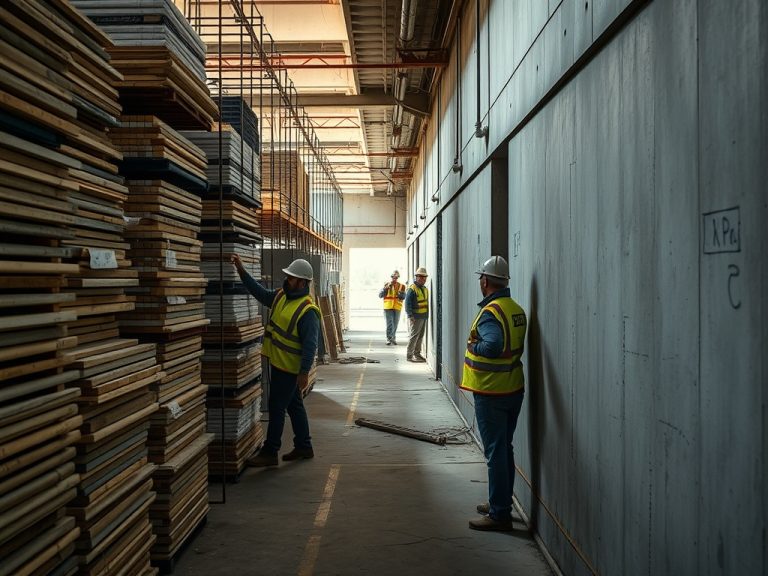
A factory environment can support consistency, but quality still depends on design, materials, manufacturing controls, transport protection, installation, and inspection. Site-built quality depends heavily on trade coordination, weather protection, sequencing, and supervision. Poor housekeeping, material damage, and sloppy storage can hurt either method, which is why the hidden risk of poor housekeeping on busy jobsites applies to residential projects too.
Decision framework for homeowners
Compare the two methods using land readiness, design fit, code process, financing, builder experience, manufacturer reputation, schedule constraints, warranty terms, and long-term maintenance. Ask for examples, references, inspection expectations, and a clear responsibility matrix. A good decision is not simply the fastest or cheapest option. It is the option with the fewest unmanaged risks for your specific site and goals.
Questions for builders and manufacturers
Ask each builder or manufacturer how they handle design changes, inspections, transport protection, moisture protection, foundation tolerance, warranty service, and coordination with local officials. Ask who is responsible if modules arrive before the site is ready or if site utilities are delayed. Clear responsibility is especially important because modular projects combine factory work and site work into one customer experience.
Financing, appraisal, and resale considerations
Homeowners should speak with lenders, insurers, appraisers, and local officials before assuming site-built and modular paths will be treated the same in every market. Many modular homes are financed and appraised similarly to conventional homes, but local practices, documentation, and buyer perception can vary. Early conversations reduce the chance that a sound construction option runs into avoidable approval or resale friction.
Evidence to capture for modular home vs site built
Useful evidence should be specific enough for someone outside the original conversation to understand the decision. Capture the condition observed, the location, the date, the responsible person, the related drawing or asset where relevant, and the action taken or deferred. Photos should show context before close-ups, and notes should separate facts from interpretations. This habit is especially valuable when a project has multiple shifts, outside contractors, tenant coordination, or owner representatives who join the process after early decisions have already been made.
The review record should also name unresolved assumptions. Examples include pending approvals, unclear access, unknown existing conditions, manufacturer lead times, owner selections, weather constraints, inspection availability, and maintenance resources after handover. Calling out uncertainty is not negative. It gives the team a chance to manage the issue with contingency, sequencing, professional review, or a documented owner decision before work or maintenance activity depends on a guess.
Homebuilding decision checkpoint
Before choosing a method, ask each builder or manufacturer to explain site responsibilities, inspection steps, change rules, and warranty coverage in plain language.
General disclaimer: This construction and maintenance content is for informational and educational purposes only. It does not constitute engineering, legal, code-compliance, safety, procurement, or project-management advice. Requirements vary by jurisdiction, project type, contract, occupancy, and site conditions, so qualified professionals should review project-specific decisions.