Cluster: Materials, Methods & Structural Work | Content Type: Commercial Investigation | Audience: Beginner
The main priority is choosing an enclosure system by performance, coordination, and maintenance needs. Readers should use the article below to separate must-check risks from nice-to-have preferences, then turn those decisions into documented field or maintenance actions.
TL;DR: Insulated metal panels vs traditional wall assemblies is best approached as a risk-control decision. Confirm responsibilities, document assumptions, verify conditions before work begins or before the next maintenance cycle, and avoid treating manufacturer claims, informal habits, or one-time inspections as proof of long-term performance.
What readers need to understand first
This article focuses on insulated metal panels comparison from a practical construction and maintenance perspective. The narrow issue is not theory alone; it is how owners, contractors, supervisors, or facility teams make reliable decisions when site conditions, codes, schedules, budgets, and documentation requirements all meet in the field.
The comparison is really about assembly strategy
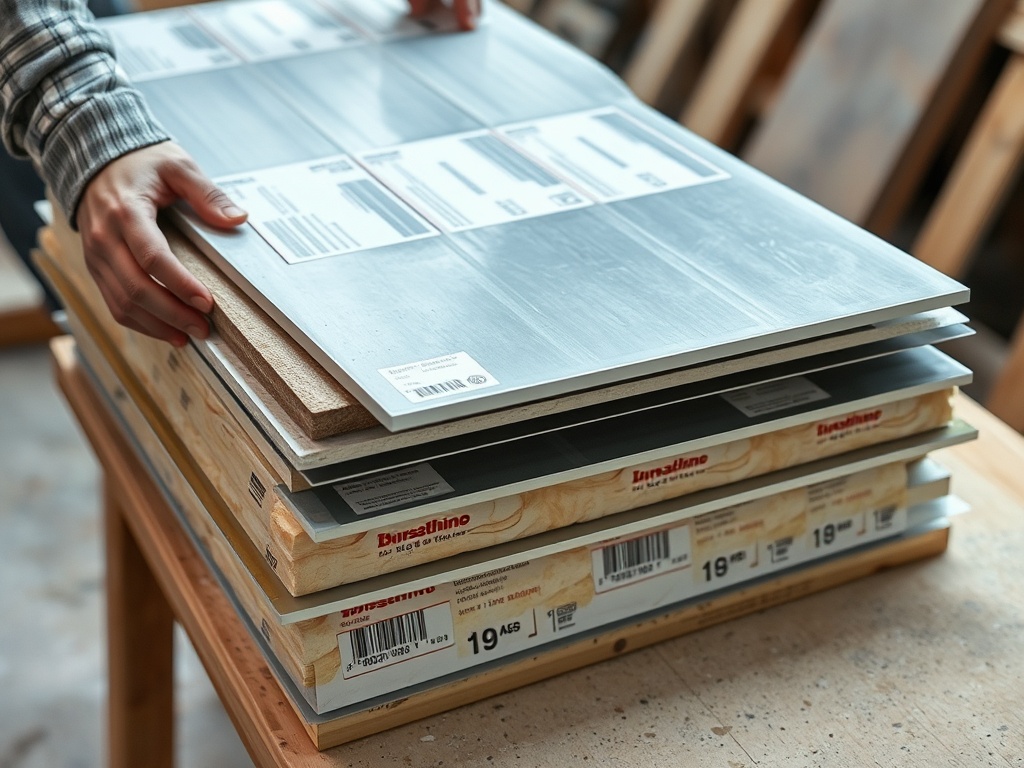
Insulated metal panels, or IMPs, combine metal facings with an insulated core in a manufactured panel. Traditional wall assemblies use separate layers such as framing, sheathing, insulation, air and water barriers, and cladding. The right choice depends on project type, climate, appearance, fire and code requirements, detailing skill, lead times, budget structure, and maintenance expectations.
Where IMPs can help
IMPs are often considered for commercial, industrial, cold storage, institutional, and metal building projects where speed, thermal control, and a finished exterior surface are valuable. The Metal Construction Association describes IMPs as rigid insulation between coated metal facings. Because several functions are combined into one panel, the system can reduce field layering and may simplify some coordination. That benefit depends on accurate shop drawings, substrate tolerance, panel layout, openings, sealant details, and installer experience.
Comparison points that shape the decision
| Factor | Insulated metal panels | Traditional wall assemblies |
|---|---|---|
| Coordination | Factory-made panel integrates cladding and insulation | Multiple trades may handle framing, insulation, air/water barriers, and cladding |
| Speed | Can support faster enclosure when design is ready | May be more flexible but often more sequential |
| Repair approach | Panel replacement or finish repair can be specialized | Layer-by-layer repair may be easier for familiar trades |
Where traditional assemblies can fit better
Traditional wall assemblies may offer more design flexibility, more local trade familiarity, and easier integration with some facade types. They can also allow the design team to tune each layer separately. That flexibility comes with coordination responsibility. If the air barrier, insulation, flashing, cladding attachment, and drainage plane are not aligned, performance can suffer even when each product is acceptable on its own.
Do not compare products without comparing details
A panel brochure cannot replace project-specific detailing. Penetrations, corners, parapets, base conditions, transitions to roofs, window openings, and structural supports determine whether an enclosure works. Teams should add envelope decisions to what to include in a preconstruction checklist so submittals, mockups, sequencing, and inspections are not left to chance.
Maintenance and handover matter
Owners are asking more questions about operations after completion. That trend connects directly to why clients are demanding more building performance data after handover. For wall systems, the handover package should identify panel type, finish, sealants, fasteners, warranty scope, cleaning guidance, repair protocol, and inspection intervals. A fast enclosure that cannot be maintained confidently creates long-term frustration.
Housekeeping affects envelope quality too
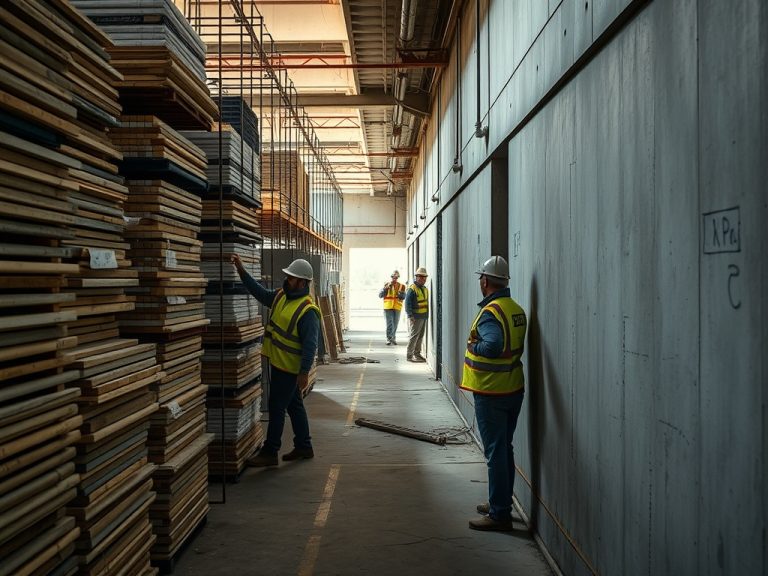
Poor housekeeping can damage panels, contaminate sealant joints, bury fasteners, and create tripping hazards around stored materials. The risk is not limited to aesthetics. Damaged edges or careless storage can lead to rework or water-management issues. The safety and quality habits described in the hidden risk of poor housekeeping on busy jobsites apply directly to wall assembly work.
Common selection mistakes
Common mistakes include choosing only on first cost, ignoring lead times, failing to coordinate openings, assuming thermal performance without project-specific calculations, skipping mockups, and underestimating repair logistics. Another mistake is comparing IMPs to a vague traditional wall rather than a fully specified assembly. The fair comparison is system to system, including labor, sequencing, performance testing, warranty, maintenance, and risk.
A balanced decision rule
Choose IMPs when the project benefits from integrated enclosure speed, a metal aesthetic, predictable panelization, and qualified installation. Choose a traditional wall when design flexibility, local trade familiarity, layered customization, or repair approach better fit the project. In both cases, details and quality control decide the outcome.
Mockups and sequencing reduce enclosure surprises
A wall-system mockup is not just an aesthetic sample. It can test transitions, fasteners, sealants, flashing, tolerances, drainage, cleaning, and inspection access. For IMPs, the mockup can confirm panel layout and joint treatment. For traditional assemblies, it can confirm how the layers meet at openings and corners. The schedule should allow time to review the mockup before large quantities of material are released or installed.
Maintenance questions to ask before approval
Ask who can repair the system, what replacement materials are available, how finishes should be cleaned, how sealants are inspected, what warranties require, and which details are most vulnerable to damage. These questions do not make one wall type automatically better. They help the owner understand whether the selected assembly can be maintained by the available team and budget.
Evidence to capture for insulated metal panels comparison
Useful evidence should be specific enough for someone outside the original conversation to understand the decision. Capture the condition observed, the location, the date, the responsible person, the related drawing or asset where relevant, and the action taken or deferred. Photos should show context before close-ups, and notes should separate facts from interpretations. This habit is especially valuable when a project has multiple shifts, outside contractors, tenant coordination, or owner representatives who join the process after early decisions have already been made.
The review record should also name unresolved assumptions. Examples include pending approvals, unclear access, unknown existing conditions, manufacturer lead times, owner selections, weather constraints, inspection availability, and maintenance resources after handover. Calling out uncertainty is not negative. It gives the team a chance to manage the issue with contingency, sequencing, professional review, or a documented owner decision before work or maintenance activity depends on a guess.
For this comparison, the decision should include who will inspect the work, who can repair it later, and what documentation the owner will receive when installation is complete.
Envelope selection takeaway
Before selecting a wall system, compare complete assemblies, not isolated products, and include installation, inspection, and maintenance responsibilities in the decision.
General disclaimer: This construction and maintenance content is for informational and educational purposes only. It does not constitute engineering, legal, code-compliance, safety, procurement, or project-management advice. Requirements vary by jurisdiction, project type, contract, occupancy, and site conditions, so qualified professionals should review project-specific decisions.