Cluster: Emerging Trends, FAQs & Specialty Applications | Content Type: Informational | Audience: Beginner
The main priority is handover is shifting from paperwork to usable operational evidence. Readers should use the article below to separate must-check risks from nice-to-have preferences, then turn those decisions into documented field or maintenance actions.
TL;DR: Why clients are demanding more building performance data after handover is best approached as a risk-control decision. Confirm responsibilities, document assumptions, verify conditions before work begins or before the next maintenance cycle, and avoid treating manufacturer claims, informal habits, or one-time inspections as proof of long-term performance.
What readers need to understand first
This article focuses on building performance data trend from a practical construction and maintenance perspective. The narrow issue is not theory alone; it is how owners, contractors, supervisors, or facility teams make reliable decisions when site conditions, codes, schedules, budgets, and documentation requirements all meet in the field.
Handover is becoming an operational starting line
Clients are asking for more building performance data because a completed building still has to operate, maintain comfort, manage energy, support occupants, and meet reporting expectations. Drawings and warranties are useful, but owners increasingly want equipment lists, commissioning records, controls sequences, benchmark-ready meter data, envelope information, and maintenance-ready documentation.
Energy benchmarking made performance visible
ENERGY STAR Portfolio Manager turns utility information into benchmarking data that owners can use to compare and track building performance. For many clients, that changes the closeout conversation. They do not only ask whether the building was finished. They ask whether meters, spaces, systems, and operating assumptions are documented well enough to support benchmarking and future improvements.
Comparison points that shape the decision
| Data type | Why clients ask for it | Where it helps after turnover |
|---|---|---|
| Asset data | They need searchable equipment records | Preventive maintenance and warranty tracking |
| Energy and water data | They want performance visibility | Benchmarking and capital planning |
| IAQ and comfort records | They want fewer complaints | Operations, tenant support, and troubleshooting |
Indoor air quality expectations changed the handover package
EPA building air quality guidance has long emphasized operations and maintenance as part of preventing, identifying, and resolving IAQ problems. After handover, facility teams need filter information, ventilation notes, control sequences, cleaning requirements, moisture-sensitive areas, and complaint response procedures. If those details are buried in submittals, the operations team may struggle to use them quickly.
Performance data starts during design and construction
A handover data package cannot be created well during the final week. The team must decide early what asset fields, photos, model data, commissioning reports, O&M manuals, and training records are required. The delivery method can affect who is responsible for that coordination, which is why construction delivery methods explained: design-bid-build, CMAR, and design-build is relevant to owners who want cleaner turnover.
Envelope choices shape long-term tracking
Building performance is not only mechanical. The envelope affects thermal comfort, moisture risk, air leakage, and maintenance cycles. Clients comparing insulated metal panels vs traditional wall assemblies should evaluate how assembly decisions will be documented, inspected, and maintained after occupancy. A product may look efficient on paper, but operations teams still need maintenance access, warranty terms, and repair procedures.
Residential clients are asking similar questions
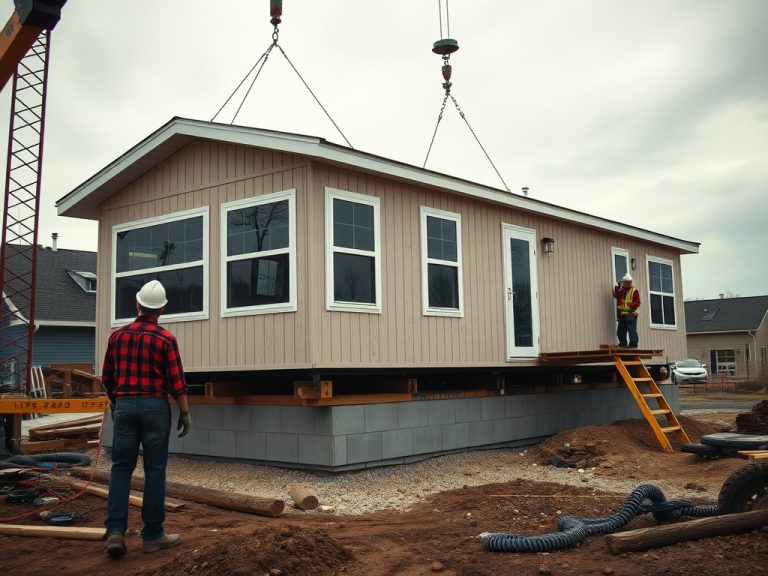
Performance data is not limited to commercial buildings. Homeowners comparing how to decide between site-built and modular homes often ask about energy performance, maintenance access, warranties, and build quality documentation. The scale is different, but the expectation is similar: people want evidence they can use, not vague assurances.

Common data mistakes
The most common mistakes include inconsistent asset names, missing serial numbers, untagged photos, undocumented substitutions, controls sequences written only for specialists, and owner training scheduled too late. Another mistake is promising live dashboards before basic data governance exists. More data is not automatically better. Usable data is structured, verified, current, and connected to decisions.
A handover-ready mindset
Ask owners what they need to operate the building, benchmark it, troubleshoot complaints, and plan repairs. Then collect that information during the project, not after everyone is demobilizing. The result is a closeout package that supports real building performance rather than sitting untouched in a shared folder.
How contractors can collect data without chaos
Performance data collection should be assigned to normal project workflows. Submittals can capture product data, inspections can capture installation evidence, commissioning can confirm functional results, and closeout can organize final records. If the team waits until turnover, data collection becomes a scavenger hunt. A simple data matrix with required fields, responsible parties, due dates, and review status can prevent that scramble.
What owners should ask for early
Owners should identify the data they actually need for operations, not every possible data point. Useful requests may include asset names, locations, serial numbers, warranty start dates, filter sizes, control sequences, meter information, recommended maintenance tasks, and training records. Asking early allows the project team to price, collect, and verify the information rather than treating it as a vague closeout expectation.
Evidence to capture for building performance data trend
Useful evidence should be specific enough for someone outside the original conversation to understand the decision. Capture the condition observed, the location, the date, the responsible person, the related drawing or asset where relevant, and the action taken or deferred. Photos should show context before close-ups, and notes should separate facts from interpretations. This habit is especially valuable when a project has multiple shifts, outside contractors, tenant coordination, or owner representatives who join the process after early decisions have already been made.
The review record should also name unresolved assumptions. Examples include pending approvals, unclear access, unknown existing conditions, manufacturer lead times, owner selections, weather constraints, inspection availability, and maintenance resources after handover. Calling out uncertainty is not negative. It gives the team a chance to manage the issue with contingency, sequencing, professional review, or a documented owner decision before work or maintenance activity depends on a guess.
For this topic, the safest interpretation is to treat the record as a working bridge between construction and operations. The more clearly that bridge is built, the fewer assumptions the owner inherits after turnover.
Making performance data usable
For the next project, define the owner’s required performance data fields during preconstruction so the closeout package can be built as the work progresses.
General disclaimer: This construction and maintenance content is for informational and educational purposes only. It does not constitute engineering, legal, code-compliance, safety, procurement, or project-management advice. Requirements vary by jurisdiction, project type, contract, occupancy, and site conditions, so qualified professionals should review project-specific decisions.