Cluster: Building Systems: HVAC, Plumbing, Electrical & Fire Protection | Content Type: Informational | Audience: Beginner
The main priority is reliability before storm events and overflow conditions. Readers should use the article below to separate must-check risks from nice-to-have preferences, then turn those decisions into documented field or maintenance actions.
TL;DR: Sump pumps, lift stations, and drainage systems: maintenance priorities is best approached as a risk-control decision. Confirm responsibilities, document assumptions, verify conditions before work begins or before the next maintenance cycle, and avoid treating manufacturer claims, informal habits, or one-time inspections as proof of long-term performance.
What readers need to understand first
This article focuses on sump pump maintenance priorities from a practical construction and maintenance perspective. The narrow issue is not theory alone; it is how owners, contractors, supervisors, or facility teams make reliable decisions when site conditions, codes, schedules, budgets, and documentation requirements all meet in the field.
The risk is not only pump failure
A drainage system fails when water arrives faster than the system can collect, lift, convey, or discharge it. The pump is only one part of that chain. A working pump can still leave a building exposed if the basin is full of sediment, the check valve leaks back, the discharge line is frozen or blocked, or surface water never reaches the collection point. For facility teams, the practical goal is to spot weak links before heavy rain, snowmelt, tenant complaints, or odor events make the issue visible.
Start with the water path
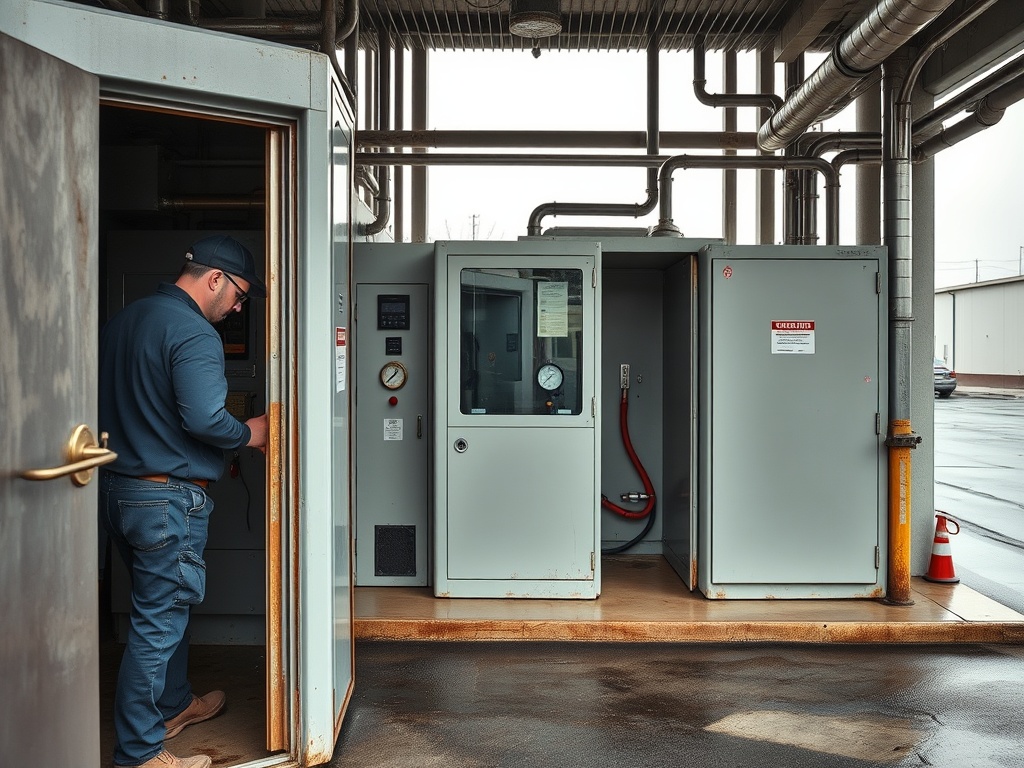
Map the route from the point where water enters the system to the final approved discharge. For a sump, that means pit, pump, float, check valve, discharge pipe, exterior outlet, and grade around the outlet. For a lift station, it includes wet well, pump rails, level controls, alarms, valves, force main, generator, and access for vacuum trucks or bypass pumping. That map turns maintenance from a vague task into a repeatable inspection route.
Comparison points that shape the decision
| Component | Primary risk | Maintenance priority |
|---|---|---|
| Sump pump | Float failure, clogged discharge, lost power | Test operation, clean basin, verify check valve and backup power |
| Lift station | Pump clogging, controls failure, inflow and infiltration | Inspect pumps, alarms, wet well, generator, and bypass plan |
| Site drainage | Blocked inlets, poor grading, saturated soils | Clear debris, confirm positive flow, inspect after major rain |
Practical inspection priorities
A practical sump inspection includes cycling the pump with water, checking that the float moves freely, listening for grinding or unusual vibration, cleaning sediment, confirming the cover is secure, and checking that discharge does not recirculate back toward the foundation. FEMA notes that sump pumps move groundwater away through drainage pipes, which is why discharge location and pipe condition matter as much as the pump body itself. Lift stations need a more formal routine because they are part of wastewater collection. EPA lift station guidance emphasizes inspection, SOPs, generators, bypass pumping, and inflow and infiltration reduction as part of overflow prevention.
Documentation makes small problems visible
Record amperage where applicable, run time, alarm tests, wet well observations, odor, debris, grease accumulation, and recent rainfall. A single entry is not very useful. A trend is useful. Longer run times, more frequent starts, or recurring high-level alarms may point toward upstream inflow, control issues, worn impellers, or discharge restrictions. Teams that are developing wider maintenance programs can borrow structure from creating SOPs that scale from one crew to many locations so pump checks remain consistent across properties.
Common mistakes that create cost and schedule pressure
The biggest mistake is waiting for water to prove the system is weak. Other mistakes include relying on one pump with no backup plan, ignoring the electrical circuit, skipping alarm tests, failing to clear exterior drains, and treating lift station cleaning as optional. In commercial settings, one overflow can trigger cleanup costs, tenant disruption, environmental reporting questions, and emergency contractor premiums. In residential and multifamily properties, a preventable sump failure can turn into flooring, drywall, mold, and contents damage.
Use technology, but do not skip basics
Remote alarms, current sensors, and runtime logs can help teams catch problems early. Thermal tools may also help maintenance teams compare motor or panel conditions, especially when used by trained personnel alongside infrared thermometers and cameras for building maintenance teams. Still, technology should support, not replace, visual checks, cleaning, float testing, and safe electrical procedures.
A simple maintenance takeaway
Treat drainage as a system, not a device. Confirm the inflow path is clear, the pump can start, the discharge path is open, the alarm works, backup power is realistic, and the inspection record is easy to review before the next wet season.
Seasonal readiness for pump and drainage assets
Before wet weather arrives, walk every drain, basin, outlet, and control panel with the same route each time. Look for sediment, standing water, damaged covers, missing labels, blocked discharge points, and evidence that water has been flowing where it should not. A seasonal review should also include backup power, alarm notification lists, spare parts, and access for emergency pumping. The goal is not to replace professional service. It is to make sure obvious weaknesses are found while there is still time to act.
What to record after a rain event
Post-storm notes are often more useful than calendar inspections because they show how the system behaves under load. Record whether pumps cycled normally, whether alarms occurred, whether water ponded near inlets, whether discharge created erosion, and whether occupants reported odors or backups. Add photos from the same angles each time. Over several events, those records can show whether the issue is pump capacity, upstream drainage, inflow and infiltration, or simple debris accumulation.
Evidence to capture for sump pump maintenance priorities
Useful evidence should be specific enough for someone outside the original conversation to understand the decision. Capture the condition observed, the location, the date, the responsible person, the related drawing or asset where relevant, and the action taken or deferred. Photos should show context before close-ups, and notes should separate facts from interpretations. This habit is especially valuable when a project has multiple shifts, outside contractors, tenant coordination, or owner representatives who join the process after early decisions have already been made.
The review record should also name unresolved assumptions. Examples include pending approvals, unclear access, unknown existing conditions, manufacturer lead times, owner selections, weather constraints, inspection availability, and maintenance resources after handover. Calling out uncertainty is not negative. It gives the team a chance to manage the issue with contingency, sequencing, professional review, or a documented owner decision before work or maintenance activity depends on a guess.
Maintenance rhythm to carry forward
Before the next storm season, walk the full drainage path and convert the findings into a short maintenance checklist your team can repeat.
General disclaimer: This construction and maintenance content is for informational and educational purposes only. It does not constitute engineering, legal, code-compliance, safety, procurement, or project-management advice. Requirements vary by jurisdiction, project type, contract, occupancy, and site conditions, so qualified professionals should review project-specific decisions.